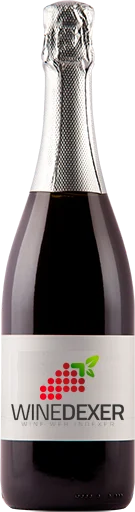
Winery Mileştii MiciMoldova de Lux Demisec Rosé
 Sparkling wine



This wine is a blend of 2 varietals which are the Cabernet-Sauvignon and the Merlot.
This wine generally goes well with poultry, beef or game (deer, venison).

Food and wine pairings with Moldova de Lux Demisec Rosé
Pairings that work perfectly with Moldova de Lux Demisec Rosé



Original food and wine pairings with Moldova de Lux Demisec Rosé


The Moldova de Lux Demisec Rosé of Winery Mileştii Mici matches generally quite well with dishes of beef, lamb or game (deer, venison) such as recipes of spaghetti bolognese, purple leg of lamb with red wine and cranberries or confit sausages.
Details and technical informations about Winery Mileştii Mici's Moldova de Lux Demisec Rosé.
Discover the grape variety: Cabernet-Sauvignon
Structured, tannic reds, deeply coloured, with aromas of blackcurrant, blackberry, cedar, tobacco and graphite, underpinned by firm acidity and fine ageing potential. Cornerstone of the great Médoc estates (Pauillac, Saint-Estèphe, Saint-Julien) and signature of Napa Valley, Coonawarra and Maipo. The world's most planted red variety, a natural cross of Cabernet Franc x Sauvignon Blanc born in Bordeaux.
Last vintages of this wine
The best vintages of Moldova de Lux Demisec Rosé from Winery Mileştii Mici are 2018, 0
Informations about the Winery Mileştii Mici
The Winery Mileştii Mici is one of of the world's great estates. It offers 63 wines for sale in the of Moldavie to come and discover on site or to buy online.

The wine region of Moldavie
Ancestral vineyard with identity grapes. Fetească Neagră, great Moldovan red reference: deep with notes of ripe plum, black cherry, spice and tobacco, melted tannins. Lighter, more floral Rară Neagră (Băbească). Dense tinctorial Saperavi.
The word of the wine: Plant
Smells present in certain wines and characteristic of the plant world. Heather, mint or blackcurrant leaf are considered pleasant, while herbaceous notes are considered a defect.