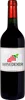
Winery Milan SůkalKukvická Reserva Merlot Výběr z Hroznů
 Red wine


This wine generally goes well with beef and game (deer, venison).

Food and wine pairings with Kukvická Reserva Merlot Výběr z Hroznů
Pairings that work perfectly with Kukvická Reserva Merlot Výběr z Hroznů


Original food and wine pairings with Kukvická Reserva Merlot Výběr z Hroznů
The Kukvická Reserva Merlot Výběr z Hroznů of Winery Milan Sůkal matches generally quite well with dishes of beef or game (deer, venison) such as recipes of beef tongue with pickle sauce or duck stew with cahors wine.
Details and technical informations about Winery Milan Sůkal's Kukvická Reserva Merlot Výběr z Hroznů.
Discover the grape variety: Merlot
Round and fleshy reds with a velvety texture, showing aromas of ripe plum, black cherry, cocoa and truffle notes with age. Supple tannins, generous alcohol, indulgent finish. Pillar of Libournais (Pomerol with Pétrus, Saint-Émilion with Cheval Blanc and Ausone) and signature of Super Tuscans, Italian Wales and Washington State. A cross of Cabernet Franc × Magdeleine Noire, France's most planted red variety.
Last vintages of this wine
The best vintages of Kukvická Reserva Merlot Výběr z Hroznů from Winery Milan Sůkal are 0
Informations about the Winery Milan Sůkal
The Winery Milan Sůkal is one of of the world's great estates. It offers 32 wines for sale in the of Morava to come and discover on site or to buy online.

The wine region of Morava
Predominantly white region, lively and mineral: crisp, peppery Grüner Veltliner, taut Riesling with citrus, supple, floral Müller-Thurgau, aromatic Pálava, the local signature (muscat, white flowers). More discreet reds: spicy Frankovka (Blaufränkisch) with black fruits, fine, silky Saint Laurent. Temperate continental climate, 4 sub-regions: Mikulov, Velké Pavlovice, Znojmo, Slovácko. ~96% of the Czech vineyard, 73 grapes grown.
The word of the wine: Deposit
Solid particles that can naturally coat the bottom of a bottle of wine. It is rather a guarantee that the wine has not been mistreated: in fact, to avoid the natural deposit, rather violent processes of filtration or cold passage (- 7 or - 8 °C) are used in order to precipitate the tartar (the small white crystals that some people confuse with crystallized sugar: just taste to dissuade you from it)