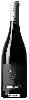
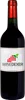
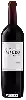
Winery Micro Bio (MicroBio)Rvfian Rvfete
 Red wine



In the mouth this red wine is a powerful with a nice balance between acidity and tannins.
This wine generally goes well with poultry, beef or veal.

Taste structure of the Rvfian Rvfete from the Winery Micro Bio (MicroBio)
Light | Bold | |
Smooth | Tannic | |
Dry | Sweet | |
Soft | Acidic |
In the mouth the Rvfian Rvfete of Winery Micro Bio (MicroBio) in the region of Castille-et-Léon is a powerful with a nice balance between acidity and tannins.
Wine flavors and olphactive analysis


On the nose the Rvfian Rvfete of Winery Micro Bio (MicroBio) in the region of Castille-et-Léon often reveals types of flavors of earth, spices or red fruit.
Food and wine pairings with Rvfian Rvfete
Pairings that work perfectly with Rvfian Rvfete



Original food and wine pairings with Rvfian Rvfete

The Rvfian Rvfete of Winery Micro Bio (MicroBio) matches generally quite well with dishes of beef, pasta or veal such as recipes of tournedos rossini, salmon and spinach lasagna or home-made coq au vin.
Details and technical informations about Winery Micro Bio (MicroBio)'s Rvfian Rvfete.
Discover the grape variety: Verdiso
Crisp, taut dry whites with a pale golden colour, a lean, cutting acidity and aromas of lime, green apple, white flowers and pre-Alpine mineral notes. Also made as fresh sparkling wines (Prosecco). Often blended with Glera, it contributes to the identity of Conegliano Valdobbiadene DOCG and Prosecco DOC.
Last vintages of this wine
The best vintages of Rvfian Rvfete from Winery Micro Bio (MicroBio) are 2017, 2013, 0, 2016 and 2015.
Informations about the Winery Micro Bio (MicroBio)
The Winery Micro Bio (MicroBio) is one of of the world's greatest estates. It offers 36 wines for sale in the of Castille-et-Léon to come and discover on site or to buy online.

The wine region of Castille-et-Léon
Cradle of great Castilian reds on high-altitude plateaus (450-1000 m) of the Duero. Tempranillo king (Tinto Fino, Tinta de Toro): powerful, structured reds with notes of black cherry, blackberry, plum, leather and spices, firm tannins and length worthy of long ageing. Stars: Ribera del Duero (Vega Sicilia, Pingus), fleshy Toro, Bierzo (fresh mineral Mencía). Lively herbaceous Verdejo whites from Rueda, cut grass and citrus.
The word of the wine: Amylic
Aroma reminiscent of banana, candy, and sometimes nail polish, particularly present in primeur wines. The amylic taste is reminiscent of the aromas of industrial confectionery and does not reflect a great expression of terroir.