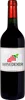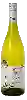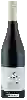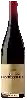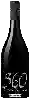
Winery Michel PailléGrenache
 Red wine
This wine generally goes well with poultry, beef or lamb.

Food and wine pairings with Grenache
Pairings that work perfectly with Grenache



Original food and wine pairings with Grenache

The Grenache of Winery Michel Paillé matches generally quite well with dishes of beef, pasta or lamb such as recipes of beef luc lake, light lasagne without béchamel sauce or tajine of merguez and potatoes.
Details and technical informations about Winery Michel Paillé's Grenache.
Discover the grape variety: Feteasca neagra
Structured and powerful reds with a deep dark ruby colour, firm tannins and moderate acidity, on intense aromas of blackcurrant, blackberry, black plum, candied cherry, sweet spices and balsamic leather notes. Ample palate, fine ageing potential with oak maturation. A pillar of Romania's great reds (Dealu Mare, Dragășani) and Moldova, the quality locomotive of Carpathian wine revival. Ancient native Romanian variety.
Informations about the Winery Michel Paillé
The Winery Michel Paillé is one of of the world's greatest estates. It offers 2 wines for sale in the of Hérault to come and discover on site or to buy online.

The wine region of Hérault
Vast Languedoc IGP between the Cévennes and the Étang de Thau: Syrah, Grenache and Mourvèdre signatures in powerful, fruity reds with black fruit (blackberry, blackcurrant), garrigue, Mediterranean spices and a peppery touch, coated tannins. Cabernet, Merlot, Cinsault and Carignan complement. Grenache Blanc, Macabeu and Terret in accessible whites, plus aromatic Sauvignon, Chardonnay, Viognier. Fresh rosés.
The wine region of Pays d'Oc
The single-grape IGP par excellence: modern, accessible, frank and fruity wines, the popular signature of the Midi. Spicy Syrah reds (pepper, blackberry), round Merlot, structured Cabernet, generous Grenache, supple Cinsault. Crisp, tangy rosés. Opulent Chardonnay whites, lively Sauvignon, floral, apricoty Viognier.
The word of the wine: Effervescent
Any wine loaded with CO2 (carbon dioxide), which is revealed in the form of bubbles, reinforcing the freshness effect in the mouth. This gas production is the result of what is called the second fermentation in the bottle. It occurs in champagnes and sparkling wines such as crémants.