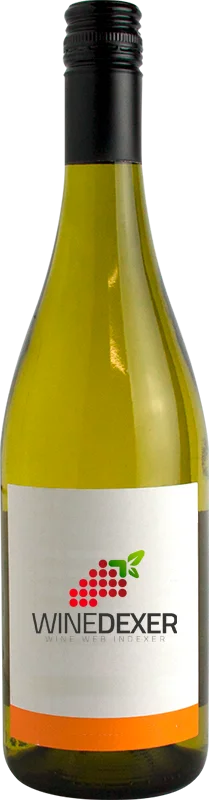
Winery MiceliBaaria Grecanico
 White wine


In the mouth this white wine is a powerful.
This wine generally goes well with vegetarian, appetizers and snacks or shellfish.

Taste structure of the Baaria Grecanico from the Winery Miceli
Light | Bold | |
Dry | Sweet | |
Soft | Acidic |
In the mouth the Baaria Grecanico of Winery Miceli in the region of Sicily is a powerful.
Food and wine pairings with Baaria Grecanico
Pairings that work perfectly with Baaria Grecanico



Original food and wine pairings with Baaria Grecanico
The Baaria Grecanico of Winery Miceli matches generally quite well with dishes of shellfish, vegetarian or appetizers and snacks such as recipes of shrimp with oyster sauce, zucchini quiche or twists with anchovies.
Details and technical informations about Winery Miceli's Baaria Grecanico.
Discover the grape variety: Red Globe
Table grape with long clusters and spherical red-purple berries, thin skin and crisp flesh, sweet fresh taste. Highly productive with excellent shelf life. One of the most exported table grapes worldwide, grown in California, China, Peru, Chile and Spain, massively distributed globally. Black American table grape variety obtained in 1958 in California by complex crossing for fresh consumption.
Last vintages of this wine
The best vintages of Baaria Grecanico from Winery Miceli are 0
Informations about the Winery Miceli
The Winery Miceli is one of of the world's great estates. It offers 51 wines for sale in the of Sicily to come and discover on site or to buy online.

The wine region of Sicily
Major qualitative renewal. Sunny, expressive reds: fleshy, spicy Nero d'Avola (black cherry, blackberry, liquorice), fine, mineral Nerello Mascalese on Etna (recalls Pinot Noir), light, crisp Frappato in Cerasuolo di Vittoria DOCG. Lively, saline whites: Catarratto, fat, iodised Grillo, taut Carricante, floral Inzolia. Amber, walnutty fortified Marsala.
The word of the wine: Bitter (flavor)
A flavour generally provided in wines by polyphenols and accompanied by a sensation of pungency. In small quantities, bitterness makes you salivate, gives relief to the wine and reinforces its sapidity.