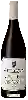
Winery MeerlustThe Magic Flute
 Red wine


This wine generally goes well with poultry, beef or lamb.

Food and wine pairings with The Magic Flute
Pairings that work perfectly with The Magic Flute



Original food and wine pairings with The Magic Flute

The The Magic Flute of Winery Meerlust matches generally quite well with dishes of beef, lamb or spicy food such as recipes of bernard's potée, lamb kleftiko (greek) or papillotes of swordfish with curry.
Details and technical informations about Winery Meerlust's The Magic Flute.
Discover the grape variety: Cabernet-Sauvignon
Structured, tannic reds, deeply coloured, with aromas of blackcurrant, blackberry, cedar, tobacco and graphite, underpinned by firm acidity and fine ageing potential. Cornerstone of the great Médoc estates (Pauillac, Saint-Estèphe, Saint-Julien) and signature of Napa Valley, Coonawarra and Maipo. The world's most planted red variety, a natural cross of Cabernet Franc x Sauvignon Blanc born in Bordeaux.
Last vintages of this wine

The best vintages of The Magic Flute from Winery Meerlust are 2004, 2013, 2007, 0 and 2012.
Informations about the Winery Meerlust
The Winery Meerlust is one of of the world's greatest estates. It offers 8 wines for sale in the of Stellenbosch to come and discover on site or to buy online.

The wine region of Stellenbosch
Showcase of the South African vineyard: signature Cabernet Sauvignon as king red — structured and age-worthy with notes of blackcurrant, blackberry, cedar, tobacco and a menthol touch, firm tannins. Emblematic national Pinotage (created 1925) opulent and smoky (blackberry, coffee, leather). Fleshy Shiraz, supple Merlot as complement. Vibrant Chenin Blanc, ample Chardonnay and lively Sauvignon in whites.
The wine region of Western Cape
Cradle of South African wine. Signature Chenin Blanc (Steen, 20%) in ample, fresh whites with notes of quince, yellow apple, honey and acacia flower, from crisp dry to sweet. Sharp, iodised Sauvignon Blanc (Walker Bay, Constantia), balanced Chardonnay. Reds: emblematic Pinotage with roasted aromas (coffee, plum, smoke), firm Cabernet Sauvignon, spicy Syrah.
The word of the wine: Second fermentation
In the making of champagne, fermentation of the base wine to which is added the liqueur de tirage and which takes place in the bottle. This second fermentation produces the carbon dioxide, and therefore the bubbles that make up the effervescence of the wine.