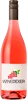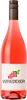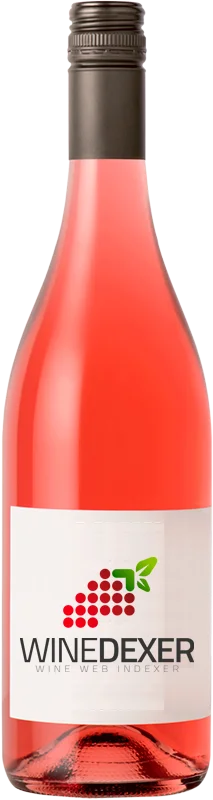
Winery MazetPic-Saint-Loup Rosé
 Pink wine
This wine generally goes well with vegetarian, appetizers and snacks or lean fish.
Food and wine pairings with Pic-Saint-Loup Rosé
Pairings that work perfectly with Pic-Saint-Loup Rosé



Original food and wine pairings with Pic-Saint-Loup Rosé


The Pic-Saint-Loup Rosé of Winery Mazet matches generally quite well with dishes of pasta, vegetarian or appetizers and snacks such as recipes of spaghetti with summer vegetables, quiche with leeks and fresh salmon from flo or shrimp acras.
Details and technical informations about Winery Mazet's Pic-Saint-Loup Rosé.
Discover the grape variety: Négret castrais
The négret castrais is called mauzac noir. It is in the region of Toulouse that we find this variety doomed to disappear. Its origins are to be found in the Gaillac region, where it reaches maturity during the second period. The plant likes clay-limestone soils. It can be recognized by its late buds. Its bunches have short peduncles bearing compact, truncated cone-shaped loads. They are often winged and loaded with medium-sized berries. The pulp is covered with a thick skin whose colour is more or less red depending on the sun exposure of the bunch. Worms, excoliosis and powdery mildew are the main enemies of this variety. When vinified, Castres Negret gives off a fairly good character from its mauzac stock. The wine gives off notes of vanilla, apple, pear and jasmine. The juice is not very colourful and light in the mouth.
Informations about the Winery Mazet
The Winery Mazet is one of of the world's greatest estates. It offers 4 wines for sale in the of Pic-Saint-Loup to come and discover on site or to buy online.

The wine region of Pic-Saint-Loup
The wine region of Pic-Saint-Loup is located in the region of Languedoc of Languedoc-Roussillon of France. Wineries and vineyards like the Domaine Ermitage du Pic Saint Loup or the Domaine de Villeneuve produce mainly wines red, pink and white. The most planted grape varieties in the region of Pic-Saint-Loup are Mourvèdre, Roussanne and Viognier, they are then used in wines in blends or as a single variety. On the nose of Pic-Saint-Loup often reveals types of flavors of earth, straw or apricot and sometimes also flavors of peach, dark chocolate or anise.
The wine region of Languedoc-Roussillon
Languedoc (formerly Coteaux du Languedoc) is a key appellation used in the Languedoc-Roussillon wine region of southern France. It covers Dry table wines of all three colors (red, white and rosé) from the entire region, but leaves Sweet and Sparkling wines to other more specialized appellations. About 75% of all Languedoc wines are red, with the remaining 25% split roughly down the middle between whites and rosés. The appellation covers most of the Languedoc region and almost a third of all the vineyards in France.
The word of the wine: Broker
In the past, he was a sort of fraud control agent who had to watch over the quality of merchant wines (he could carry a sword!). His function has evolved towards expertise (it was the brokers who established the famous 1855 classification in Bordeaux) and today he puts the producer in contact with the merchant.