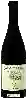
Winery Matin CalmeBonica Marieta
 Red wine


In the mouth this red wine is a powerful with a nice balance between acidity and tannins.
This wine generally goes well with beef, veal or pasta.
Taste structure of the Bonica Marieta from the Winery Matin Calme
Light | Bold | |
Smooth | Tannic | |
Dry | Sweet | |
Soft | Acidic |
In the mouth the Bonica Marieta of Winery Matin Calme in the region of Languedoc-Roussillon is a powerful with a nice balance between acidity and tannins.
Wine flavors and olphactive analysis


On the nose the Bonica Marieta of Winery Matin Calme in the region of Languedoc-Roussillon often reveals types of flavors of earth.
Food and wine pairings with Bonica Marieta
Pairings that work perfectly with Bonica Marieta



Original food and wine pairings with Bonica Marieta
The Bonica Marieta of Winery Matin Calme matches generally quite well with dishes of beef, pasta or veal such as recipes of stuffed peppers, pasta with 4 cheese sauce or gigolette of rabbit.
Details and technical informations about Winery Matin Calme's Bonica Marieta.
Discover the grape variety: Grassen
Grassen noir is a grape variety that originated in France (Provence). It produces a variety of grape specially used for wine making. It is rare to find this grape to eat on our tables. Grassen noir can be found grown in these vineyards: South West, Cognac, Bordeaux, Provence & Corsica, Rhone Valley.
Last vintages of this wine

The best vintages of Bonica Marieta from Winery Matin Calme are 2009
Informations about the Winery Matin Calme
The Winery Matin Calme is one of of the world's greatest estates. It offers 13 wines for sale in the of Languedoc-Roussillon to come and discover on site or to buy online.

The wine region of Languedoc-Roussillon
Languedoc (formerly Coteaux du Languedoc) is a key appellation used in the Languedoc-Roussillon wine region of southern France. It covers Dry table wines of all three colors (red, white and rosé) from the entire region, but leaves Sweet and Sparkling wines to other more specialized appellations. About 75% of all Languedoc wines are red, with the remaining 25% split roughly down the middle between whites and rosés. The appellation covers most of the Languedoc region and almost a third of all the vineyards in France.
The word of the wine: R-C (champagne)
Harvesting-cooperator. It is the cooperative which elaborates the champagne of its members from their mixed contributions. It gives them bottles on which they stick their own label. It is legal without being intellectually honest. When you walk around the Champagne region, you may come across signs that say "Vigneron récoltant" to indicate a member of a cooperative. You can always ask him where his vats and press are.