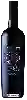
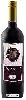
Winery Masserie CivitellaVallarsa Negroamaro
 Red wine



In the mouth this red wine is a powerful.
This wine generally goes well with beef, lamb or pasta.

Taste structure of the Vallarsa Negroamaro from the Winery Masserie Civitella
Light | Bold | |
Smooth | Tannic | |
Dry | Sweet | |
Soft | Acidic |
In the mouth the Vallarsa Negroamaro of Winery Masserie Civitella in the region of Puglia is a powerful.
Food and wine pairings with Vallarsa Negroamaro
Pairings that work perfectly with Vallarsa Negroamaro



Original food and wine pairings with Vallarsa Negroamaro
The Vallarsa Negroamaro of Winery Masserie Civitella matches generally quite well with dishes of beef, pasta or lamb such as recipes of beef tongue with mushrooms, one pot pasta with creamy chicken farfalle or caramelized lamb mice.
Details and technical informations about Winery Masserie Civitella's Vallarsa Negroamaro.
Discover the grape variety: Cabernet blanc
Aromatic, tense whites with a lean palate and firm acidity. Intense aromas of elderflower, passion fruit, mango, gooseberry, citrus and herbaceous boxwood notes reminiscent of Sauvignon Blanc. Mildew- and powdery-mildew-resistant interspecific variety, driving organic viticulture in Germany, Switzerland, Belgium, the Netherlands and Luxembourg. Swiss hybrid created in 1991 by Valentin Blattner.
Last vintages of this wine
The best vintages of Vallarsa Negroamaro from Winery Masserie Civitella are 2011, 0, 2009, 2010
Informations about the Winery Masserie Civitella
The Winery Masserie Civitella is one of of the world's greatest estates. It offers 11 wines for sale in the of Salento to come and discover on site or to buy online.

The wine region of Salento
Heel of the Italian boot, sunny and generous vineyard. Fleshy reds: signature Negroamaro ("black-bitter") deep and sturdy, notes of black cherry, plum, spices and a characteristic bitter finish, star in Salice Salentino DOC. Opulent jammy Primitivo di Manduria (= Zinfandel) with notes of black fruits, chocolate and raisin. Supple Malvasia Nera.
The wine region of Puglia
Heel of the boot, 80% red vineyard, sunny and generous. Fleshy, jammy Primitivo (= Zinfandel) with notes of black cherry, plum, chocolate and spices, powerful alcohol and melted tannins, a star in Primitivo di Manduria. Deep, structured Negroamaro (black-bitter) with a bitter finish in Salice Salentino. Structured Nero di Troia, spicy Susumaniello.
The word of the wine: Sabrer (champagne)
A cavalier and folkloric way of opening a bottle of champagne by breaking the neck with a sharp blow given with the top of the blade of a sabre.