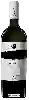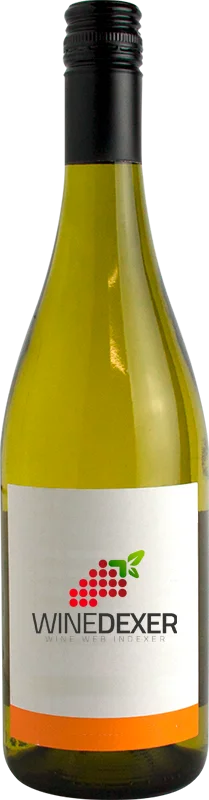
Winery Masseria Coste di BrentaElisio Trebbiano d'Abruzzo
 White wine
In the mouth this white wine is a with a nice freshness.
This wine generally goes well with vegetarian, appetizers and snacks or lean fish.
Taste structure of the Elisio Trebbiano d'Abruzzo from the Winery Masseria Coste di Brenta
Light | Bold | |
Dry | Sweet | |
Soft | Acidic |
In the mouth the Elisio Trebbiano d'Abruzzo of Winery Masseria Coste di Brenta in the region of Abruzzo is a with a nice freshness.
Food and wine pairings with Elisio Trebbiano d'Abruzzo
Pairings that work perfectly with Elisio Trebbiano d'Abruzzo



Original food and wine pairings with Elisio Trebbiano d'Abruzzo


The Elisio Trebbiano d'Abruzzo of Winery Masseria Coste di Brenta matches generally quite well with dishes of pasta, vegetarian or appetizers and snacks such as recipes of pasta with cherry tomatoes, quiche with bacon and gruyère cheese or baked vegetable chips.
Details and technical informations about Winery Masseria Coste di Brenta's Elisio Trebbiano d'Abruzzo.
Discover the grape variety: Béclan noir
Native variety of Franche Comté, formerly grown in Beaujolais. It is registered in the Official Catalogue of wine grape varieties, list A1.
Informations about the Winery Masseria Coste di Brenta
The Winery Masseria Coste di Brenta is one of of the world's great estates. It offers 23 wines for sale in the of Abruzzo to come and discover on site or to buy online.

The wine region of Abruzzo
Abruzzo is an Italian wine region located on the eastern (Adriatic) coast. Its immediate neighbors in CentralItaly are Marche to the North, Lazio to the west and southwest and Molise to the southeast. Abruzzo has one DOCG - Montepulciano d'Abruzzo Colline Teramane - and three DOC wine appellations. The reds and Cerasuolo d'Abruzzo and Montepulciano d'Abruzzo, as well as the white wine appellation Trebbiano d'Abruzzo are the most notable, followed by the lesser-known Controguerra.
The word of the wine: Local wine
Table wine, but with the origin indicated. It corresponds to a particular legislation: the freedom to use grape varieties is greater than for the AOC, but the quality criteria such as the approval tastings can sometimes be more demanding. The legislation is still evolving, but for the moment there are three levels: regional (e.g. Vin de Pays d'Oc), departmental and local (e.g. Côtes de Thongue).