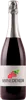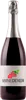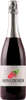
Winery Maset del LleóCava Brut Rosé
 Sparkling wine


In the mouth this sparkling wine is a with a nice vivacity and a fine and pleasant bubble.
This wine generally goes well with appetizers and snacks, lean fish or shellfish.
Taste structure of the Cava Brut Rosé from the Winery Maset del Lleó
Light | Bold | |
Soft | Acidic | |
Gentle | Fizzy |
In the mouth the Cava Brut Rosé of Winery Maset del Lleó in the region of Cava is a with a nice vivacity and a fine and pleasant bubble.
Food and wine pairings with Cava Brut Rosé
Pairings that work perfectly with Cava Brut Rosé



Original food and wine pairings with Cava Brut Rosé


The Cava Brut Rosé of Winery Maset del Lleó matches generally quite well with dishes of shellfish, appetizers and snacks or lean fish such as recipes of koskera hake (basque country), parmesan and poppy seed tuiles (5th meeting) or the thieboudienne (senegal).
Details and technical informations about Winery Maset del Lleó's Cava Brut Rosé.
Discover the grape variety: Viktoria
Cross between a (vitis vinifera x vitis amurensis) and Seyve Villard 12 304. Viktoria is found mainly in Russia but also in Poland, Lithuania, etc. It should be noted that a Romanian variety of table grape bears the same name but it is unlikely to be confused with it because its berries are white. - Synonymy: victoria, wiktoria (for all the synonyms of the varieties, click here!).
Last vintages of this wine
The best vintages of Cava Brut Rosé from Winery Maset del Lleó are 0, 2008
Informations about the Winery Maset del Lleó
The Winery Maset del Lleó is one of wineries to follow in Cava.. It offers 96 wines for sale in the of Cava to come and discover on site or to buy online.

The wine region of Cava
Cava is Spain's signature style of Sparkling wine, and the Iberian Peninsula's answer to Champagne. The traditional Grape varieties used in Cava were Macabeo, Parellada and Xarel-lo, but the Champagne varieties Chardonnay and Pinot Noir are also used. While the first Cava was produced exclusively in Catalonia - specifically in a small town called San Sadurní de Noya - modern Cava can be sourced from various regions of Spain. Aragon, Navarre, Rioja, Pais Vasco, Valencia and Extremadura have specific delimited areas that can benefit from the designation of origin.
The word of the wine: Carpentry
A powerful red wine with a dense, rich body and a tight tannic structure.