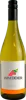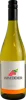
Winery Mas NeufMuscat de Mireval Doux Natural
 Natural sweet wine



This wine generally goes well with spicy food and sweet desserts.
Wine flavors and olphactive analysis


On the nose the Muscat de Mireval Doux Natural of Winery Mas Neuf in the region of Languedoc-Roussillon often reveals types of flavors of tree fruit.
Food and wine pairings with Muscat de Mireval Doux Natural
Pairings that work perfectly with Muscat de Mireval Doux Natural


Original food and wine pairings with Muscat de Mireval Doux Natural
The Muscat de Mireval Doux Natural of Winery Mas Neuf matches generally quite well with dishes of spicy food or sweet desserts such as recipes of dal lentils with coconut milk or express cherry clafoutis.
Details and technical informations about Winery Mas Neuf's Muscat de Mireval Doux Natural.
Discover the grape variety: Mencia
Spanish, more precisely from the Duero Valley where it is still very present. According to some ampelographers, it is close to Cabernet Franc.
Last vintages of this wine
The best vintages of Muscat de Mireval Doux Natural from Winery Mas Neuf are 2015, 2017, 2013, 2009 and 2016.
Informations about the Winery Mas Neuf
The Winery Mas Neuf is one of of the world's greatest estates. It offers 11 wines for sale in the of Muscat de Mireval to come and discover on site or to buy online.

The wine region of Muscat de Mireval
Muscat de Mireval is a small appellation of SweetGolden natural wines made from the Muscat Blanc à Petits Grains Grape variety. Mireval is a commune in the Languedoc-Roussillon region of southern France. It is located immediately northeast of the highly respected Frontignan appellation. However, its wines rarely receive the same attention as the other natural sweet wines of the region, such as Banyuls and Muscat de Rivesaltes.
The wine region of Languedoc-Roussillon
Languedoc (formerly Coteaux du Languedoc) is a key appellation used in the Languedoc-Roussillon wine region of southern France. It covers Dry table wines of all three colors (red, white and rosé) from the entire region, but leaves Sweet and Sparkling wines to other more specialized appellations. About 75% of all Languedoc wines are red, with the remaining 25% split roughly down the middle between whites and rosés. The appellation covers most of the Languedoc region and almost a third of all the vineyards in France.
The word of the wine: Astringent
Said of a wine that is a bit harsh and rough on the palate. Astringency often appears in young red wines that are rich in tannins and need to be rounded out.