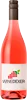
Winery Martin SchongauerSpätburgunder Halbtrocken
 Red wine
In the mouth this red wine is a with a nice freshness.
This wine generally goes well with poultry, beef or veal.

Taste structure of the Spätburgunder Halbtrocken from the Winery Martin Schongauer
Light | Bold | |
Smooth | Tannic | |
Dry | Sweet | |
Soft | Acidic |
In the mouth the Spätburgunder Halbtrocken of Winery Martin Schongauer in the region of Baden is a with a nice freshness.
Food and wine pairings with Spätburgunder Halbtrocken
Pairings that work perfectly with Spätburgunder Halbtrocken



Original food and wine pairings with Spätburgunder Halbtrocken

The Spätburgunder Halbtrocken of Winery Martin Schongauer matches generally quite well with dishes of beef, veal or game (deer, venison) such as recipes of baked marrow bones, sauté of pork with carrots and potatoes or baked leg of daguet or roe deer.
Details and technical informations about Winery Martin Schongauer's Spätburgunder Halbtrocken.
Discover the grape variety: Crovassa
Light reds with a clear ruby robe, soft tannins and an airy palate on red fruit (cherry, strawberry) and Mediterranean herbs (scrubland, thyme). Heritage profile. Preserved for its patrimonial value, subject to ampelographic studies at the Corsican CRVI, still grown on a handful of discreet parcels on the island. Rare black Corsican variety, a witness to the island's ampelographic heritage.
Informations about the Winery Martin Schongauer
The Winery Martin Schongauer is one of of the world's greatest estates. It offers 9 wines for sale in the of Baden to come and discover on site or to buy online.

The wine region of Baden
German capital of Pinot Noir (Spätburgunder): silky, fine reds with notes of red fruits, cherry, undergrowth and sweet spices, melted tannins. Round Grauburgunder (Pinot Gris), lively Weissburgunder, supple Müller-Thurgau, mineral Riesling. Germany's 3rd region (15,000 ha) in Baden-Württemberg facing Alsace, one of the country's warmest climates, volcanic soils at the Kaiserstuhl. Cradle of modern great German reds, elegant and fine.
The word of the wine: Cooperative cellar
A collective production structure to which winegrowers belong in order to pool their grapes, transform them into wine and ensure its marketing.