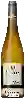
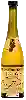
Winery Marcel DeissSchoffweg (Le Chemin des Brebis)
 White wine


This wine is a blend of 3 varietals which are the Chasselas, the Pinot gris and the Riesling.
This wine generally goes well with pork, vegetarian or poultry.

Wine flavors and olphactive analysis






On the nose the Schoffweg (Le Chemin des Brebis) of Winery Marcel Deiss in the region of Alsace often reveals types of flavors of cream, oaky or citrus and sometimes also flavors of smoke, apples or butter.
Food and wine pairings with Schoffweg (Le Chemin des Brebis)
Pairings that work perfectly with Schoffweg (Le Chemin des Brebis)



Original food and wine pairings with Schoffweg (Le Chemin des Brebis)



The Schoffweg (Le Chemin des Brebis) of Winery Marcel Deiss matches generally quite well with dishes of pork, rich fish (salmon, tuna etc) or shellfish such as recipes of stuffed mushrooms, tartiflette with smoked salmon or mussels with rosemary and barbecue.
Details and technical informations about Winery Marcel Deiss's Schoffweg (Le Chemin des Brebis).
Discover the grape variety: Chasselas
Light, lively whites with a tender palate and low acidity, with discreet aromas of fresh hazelnut, white flowers, light honey, apple and strongly terroir-driven mineral notes ("chameleon wine" of Swiss soils). Made as dry, often slightly sparkling whites. Absolute star of Vaud (Dézaley, Calamin, Lavaux Grand Cru) and Valais (Fendant) in Switzerland. Also in Pouilly-sur-Loire AOC and the German Jura. Excellent table grape.
Last vintages of this wine

The best vintages of Schoffweg (Le Chemin des Brebis) from Winery Marcel Deiss are 2008, 2014, 2009, 2004 and 2015.
Informations about the Winery Marcel Deiss
The Winery Marcel Deiss is one of of the world's great estates. It offers 56 wines for sale in the of Alsace to come and discover on site or to buy online.

The wine region of Alsace
Capital of great French aromatic whites, most often dry and single-varietal. Straight, mineral Riesling (lemon, gunflint), opulent, exuberant Gewurztraminer (lychee, rose, spices), round, smoky Pinot Gris, floral, crisp Muscat, supple Pinot Blanc. Fine, fruity Crémants d'Alsace, exceptional sweet Vendanges Tardives and Sélection de Grains Nobles. 15,500 ha at the foot of the Vosges on varied soils, 51 Grands Crus since 1975.
The word of the wine: Liqueur wine
Unfermented must with added brandy, also called liqueur wine: Pineau des Charentes, Floc de Gascogne, Macvin du Jura, Ratafia, Cartagène du Languedoc.