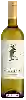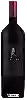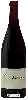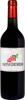
Winery Manoir GrignonG.S.M
 Red wine
This wine generally goes well with beef, veal or pasta.

Food and wine pairings with G.S.M
Pairings that work perfectly with G.S.M



Original food and wine pairings with G.S.M
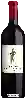
The G.S.M of Winery Manoir Grignon matches generally quite well with dishes of beef, pasta or veal such as recipes of spaghetti bolognese, tagliatelle with fresh salmon or wiener schnitzel or viennese schnitzel.
Details and technical informations about Winery Manoir Grignon's G.S.M.
Discover the grape variety: Mourvèdre
Powerful, deep reds with firm tannins and dense texture, showing aromas of blackberry, leather, garrigue, black pepper, liquorice and animal notes (game, forest floor) with age. Star of Bandol AOC as a single variety and pillar of Châteauneuf-du-Pape, Gigondas and Costières blends. Also in GSM in Languedoc and Australia. A late-ripening variety of Spanish origin (Mataró/Monastrell).
Informations about the Winery Manoir Grignon
The Winery Manoir Grignon is one of of the world's great estates. It offers 17 wines for sale in the of Pays d'Oc to come and discover on site or to buy online.

The wine region of Pays d'Oc
The single-grape IGP par excellence: modern, accessible, frank and fruity wines, the popular signature of the Midi. Spicy Syrah reds (pepper, blackberry), round Merlot, structured Cabernet, generous Grenache, supple Cinsault. Crisp, tangy rosés. Opulent Chardonnay whites, lively Sauvignon, floral, apricoty Viognier.
The word of the wine: Maderised
Term used to designate oxidized wines in reference to Madeira wines.