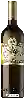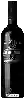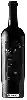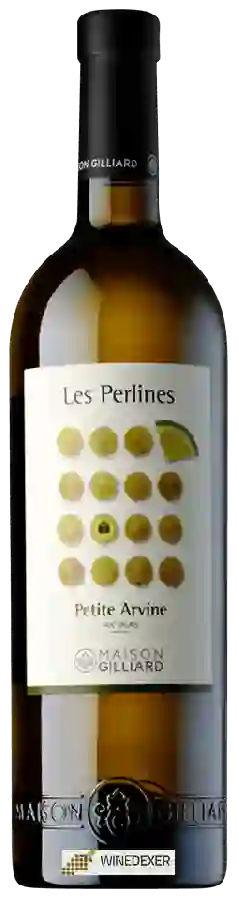
Maison GilliardPetite Arvine Les Perlines (Perles du Valais)
 White wine


This wine generally goes well with
Wine flavors and olphactive analysis




On the nose the Petite Arvine Les Perlines (Perles du Valais) of Maison Gilliard in the region of Valais often reveals types of flavors of earth, microbio or vegetal and sometimes also flavors of oak, tree fruit or citrus fruit.
Details and technical informations about Maison Gilliard's Petite Arvine Les Perlines (Perles du Valais).
Discover the grape variety: Neheleschol
A very ancient table grape, it is mentioned in the Bible. Luigi and Alberto Pirovano of Vaprio d'Adda used it in many of their crosses. - Synonyms: neg(u)elescol, giant of Palestine, white grape of Jerusalem, eparce or eparse, yellow olivette with small berries, grape of Jericho (for all the synonyms of the grape varieties, click here!)
Last vintages of this wine

The best vintages of Petite Arvine Les Perlines (Perles du Valais) from Maison Gilliard are 2013, 2018, 2015, 2014 and 2019.
Informations about the Maison Gilliard
The Maison Gilliard is one of of the world's greatest estates. It offers 109 wines for sale in the of Valais to come and discover on site or to buy online.

The wine region of Valais
The Valais is the largest wine region and appellation in Switzerland, responsible for around one third of the country's total wine production. The main Vineyard area covers the southeast-facing slopes of the dramatic Rhône river valley as the glacial waters run southwest between Leuk (Loeche in French) and Fully. The river changes direction at Martigny and then runs northwest to exit the valley and empty into Lac Léman (Lake Geneva). Vineyard area here comes to around 4,800 hectares (11,800 acres) and is generally located on (often steep) slopes and terraces between the flat, fertile, Heavy soils at the bottom of the valley - often given over to fruit production, industry and urban development - and the bare rock of the mountainside that towers above.
The word of the wine: Hat
Solid part (marc), composed of pips and skins (sometimes of the stalk), which forms at the top of the tank during fermentation. The pigeage consists in breaking this cap to put back in suspension these elements and to favour the exchanges between the juice and the skins.