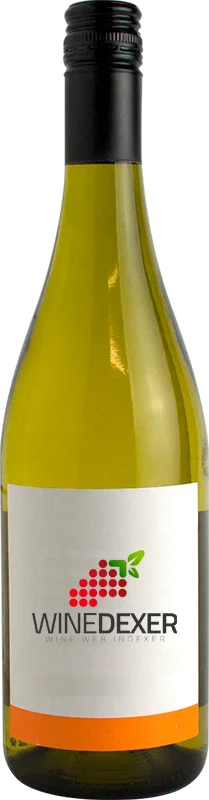
Winery Mackinaw TrailUnrestricted Ascension
 White wine


This wine is a blend of 3 varietals which are the Chardonnay, the Pinot blanc and the Riesling.
This wine generally goes well with pork, vegetarian or poultry.

Food and wine pairings with Unrestricted Ascension
Pairings that work perfectly with Unrestricted Ascension



Original food and wine pairings with Unrestricted Ascension



The Unrestricted Ascension of Winery Mackinaw Trail matches generally quite well with dishes of pork, rich fish (salmon, tuna etc) or shellfish such as recipes of sauerkraut (with tips so to do!!!), leek and fresh salmon tart or jambalaya (louisiana).
Details and technical informations about Winery Mackinaw Trail's Unrestricted Ascension.
Discover the grape variety: Chardonnay
Whites with many faces: mineral and taut at Chablis (lemon, green apple, flint), opulent and buttery at Meursault and Puligny-Montrachet (hazelnut, brioche, yellow fruits), tense and chalky in Champagne (Blanc de Blancs). Also vinified sparkling and widely exported (Sonoma, Margaret River, Casablanca). A Burgundian variety, a cross of Pinot Noir × Gouais Blanc, half-sibling of Aligoté.
Last vintages of this wine
The best vintages of Unrestricted Ascension from Winery Mackinaw Trail are 0
Informations about the Winery Mackinaw Trail
The Winery Mackinaw Trail is one of of the world's greatest estates. It offers 33 wines for sale in the of Michigan to come and discover on site or to buy online.

The wine region of Michigan
Midwestern wine state on the 45th parallel (Burgundy, Piedmont), tempered by the Great Lakes (lake effect). Signature Riesling: precise, taut whites with signature notes of citrus, green apple, white peach, white flowers and saline minerality, crisp acidity - from dry to off-dry. Also ample Chardonnay, perfumed Pinot Gris, opulent Gewürztraminer (lychee, rose). Fresh, silky Pinot Noir in red.
The word of the wine: Passerillage
Concentration of the grape by drying out, under the influence of wind or sun, as opposed to botrytisation, which is the concentration obtained by the development of the "noble rot" for which Botrytis cinerea is responsible. The word is mainly used for sweet wines.