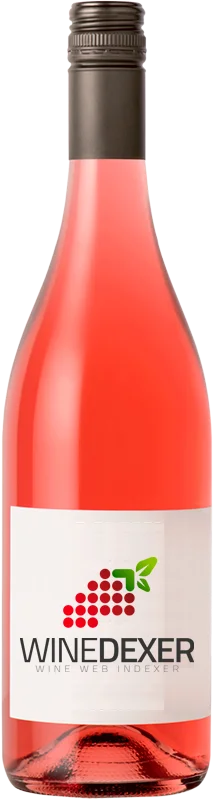
Domaine de LunardCuvée Sélection
 Pink wine
This wine generally goes well with

Details and technical informations about Domaine de Lunard's Cuvée Sélection.
Discover the grape variety: Pedro Ximenez
Exceptional, intensely sweet liqueur wines with a very dark mahogany robe, a syrupy palate, and powerful signature aromas of raisin, dried fig, date, molasses, roasted coffee, dark chocolate, liquorice and oxidative notes. Produced from sun-dried grapes. The undisputed star of Andalusian Pedro Ximénez (PX), one of the world's greatest sweet wines. Autochthonous Spanish variety from Andalusia (Montilla-Moriles DO, Jerez DO).
Informations about the Domaine de Lunard
The Domaine de Lunard is one of of the world's greatest estates. It offers 8 wines for sale in the of Provence to come and discover on site or to buy online.

The wine region of Provence
World capital of dry, refined rosé (~90% of production). Pale rose-petal colour, delicate nose of fresh red fruits (strawberry, raspberry, redcurrant), citrus (pink grapefruit), white flowers and a mineral touch, taut and thirst-quenching palate — the Mediterranean aperitif par excellence. Blends of Grenache, Cinsault, Syrah, Tibouren and Mourvèdre. Fleshy Bandol reds from Mourvèdre (leather, garrigue, age-worthy), straight Cassis whites.
The word of the wine: INAO
National Institute of Origin and Quality. French organization depending on the Ministry of Agriculture and in charge of quality signs: AOC, IGP, labels and organic farming.