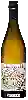
Winery Lukas KraussEin Hut Silvaner
 White wine



In the mouth this white wine is a powerful with a nice freshness.
This wine generally goes well with pork, vegetarian or poultry.

Taste structure of the Ein Hut Silvaner from the Winery Lukas Krauss
Light | Bold | |
Dry | Sweet | |
Soft | Acidic |
In the mouth the Ein Hut Silvaner of Winery Lukas Krauss in the region of Pfalz is a powerful with a nice freshness.
Food and wine pairings with Ein Hut Silvaner
Pairings that work perfectly with Ein Hut Silvaner



Original food and wine pairings with Ein Hut Silvaner


The Ein Hut Silvaner of Winery Lukas Krauss matches generally quite well with dishes of veal, pork or vegetarian such as recipes of italian veal roulade, andouillette and baked potato gratin or tuna, pepper and tomato quiche.
Details and technical informations about Winery Lukas Krauss's Ein Hut Silvaner.
Discover the grape variety: Pinot lièbault
Supple and fruity reds with a ruby hue, smooth tannins and an airy palate with fresh acidity, featuring signature aromas of red fruits (cherry, raspberry), floral notes and gentle spices. Burgundian profile, later and more productive than classic Pinot Noir. Now almost extinct, it survives in a few old Burgundy vines and in variety conservation collections. Ancient variety of Pinot Noir selected by Charles Liébault in the 19th century in Burgundy.
Last vintages of this wine
The best vintages of Ein Hut Silvaner from Winery Lukas Krauss are 0
Informations about the Winery Lukas Krauss
The Winery Lukas Krauss is one of of the world's greatest estates. It offers 22 wines for sale in the of Pfalz to come and discover on site or to buy online.

The wine region of Pfalz
Fleshy, dry, fruity Riesling is the region's signature: yellow peach, apricot, ripe citrus, lovely mineral tension. Germany's largest red-wine area (40%), with silky Spätburgunder showing red fruit and spice, darker structured Dornfelder, supple Portugieser. Some rounded Pinot Blanc and Pinot Gris. A 23,640 ha vineyard along the Haardt, among Germany's warmest (>2,000 h of sun).
The word of the wine: Sweet
Generic term for wines containing residual sugar (natural sugars in the grapes that have not been transformed into alcohol). It is also used to describe a wine with a dominantly sweet flavour, without further explanation.