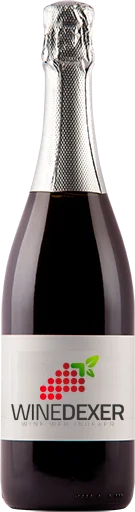
Winery LuiPinot Noir Brut Nature
 Sparkling wine


This wine generally goes well with pork, poultry or veal.
Food and wine pairings with Pinot Noir Brut Nature
Pairings that work perfectly with Pinot Noir Brut Nature



Original food and wine pairings with Pinot Noir Brut Nature


The Pinot Noir Brut Nature of Winery Lui matches generally quite well with dishes of veal, pork or game (deer, venison) such as recipes of veal tagine with prunes, pasta carbonara or rabbit with mustard in foil.
Details and technical informations about Winery Lui's Pinot Noir Brut Nature.
Discover the grape variety: Pinot noir
Pinot noir is an important red grape variety in Burgundy and Champagne, and its reputation is well known! Great wines such as the Domaine de la Romanée Conti elaborate their wines from this famous grape variety, and make it a great variety. When properly vinified, pinot noit produces red wines of great finesse, with a wide range of aromas depending on its advancement (fruit, undergrowth, leather). it is also the only red grape variety authorized in Alsace. Pinot Noir is not easily cultivated beyond our borders, although it has enjoyed some success in Oregon, the United States, Australia and New Zealand.
Last vintages of this wine
The best vintages of Pinot Noir Brut Nature from Winery Lui are 2017, 0
Informations about the Winery Lui
The Winery Lui is one of of the world's greatest estates. It offers 27 wines for sale in the of Mendoza to come and discover on site or to buy online.

The wine region of Mendoza
Mendoza is by far the largest wine region in Argentina. Located on a high-altitude plateau at the edge of the Andes Mountains, the province is responsible for roughly 70 percent of the country's annual wine production. The French Grape variety Malbec has its New World home in the vineyards of Mendoza, producing red wines of great concentration and intensity. The province Lies on the western edge of Argentina, across the Andes Mountains from Chile.
The word of the wine: Flower
Wine disease resulting in a whitish haze and a vented taste.