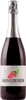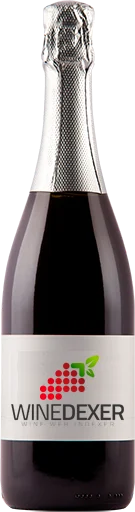
Winery Lucas & André RieffelL'Emprise
 Sparkling wine
This wine is a blend of 2 varietals which are the Chardonnay and the Pinot gris.
This wine generally goes well with pork, vegetarian or poultry.

Food and wine pairings with L'Emprise
Pairings that work perfectly with L'Emprise



Original food and wine pairings with L'Emprise



The L'Emprise of Winery Lucas & André Rieffel matches generally quite well with dishes of pork, rich fish (salmon, tuna etc) or shellfish such as recipes of magic cake cheese quiche, leek and fresh salmon tart or stuffed squid in the sétoise sauce.
Details and technical informations about Winery Lucas & André Rieffel's L'Emprise.
Discover the grape variety: Chardonnay
Whites with many faces: mineral and taut at Chablis (lemon, green apple, flint), opulent and buttery at Meursault and Puligny-Montrachet (hazelnut, brioche, yellow fruits), tense and chalky in Champagne (Blanc de Blancs). Also vinified sparkling and widely exported (Sonoma, Margaret River, Casablanca). A Burgundian variety, a cross of Pinot Noir × Gouais Blanc, half-sibling of Aligoté.
Informations about the Winery Lucas & André Rieffel
The Winery Lucas & André Rieffel is one of of the world's great estates. It offers 39 wines for sale in the of Alsace to come and discover on site or to buy online.

The wine region of Alsace
Capital of great French aromatic whites, most often dry and single-varietal. Straight, mineral Riesling (lemon, gunflint), opulent, exuberant Gewurztraminer (lychee, rose, spices), round, smoky Pinot Gris, floral, crisp Muscat, supple Pinot Blanc. Fine, fruity Crémants d'Alsace, exceptional sweet Vendanges Tardives and Sélection de Grains Nobles. 15,500 ha at the foot of the Vosges on varied soils, 51 Grands Crus since 1975.
The word of the wine: Breaking
Accident (oxidation or reduction) causing a loss of limpidity of the wine.