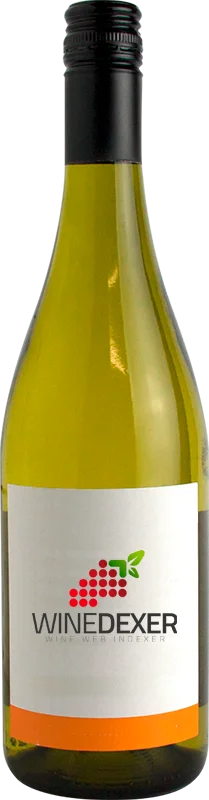
Winery LoudasMoschato Roditis White Dry
 White wine


This wine generally goes well with spicy food and sweet desserts.
Food and wine pairings with Moschato Roditis White Dry
Pairings that work perfectly with Moschato Roditis White Dry


Original food and wine pairings with Moschato Roditis White Dry
The Moschato Roditis White Dry of Winery Loudas matches generally quite well with dishes of spicy food or sweet desserts such as recipes of chicken curry (like in reunion island) or chocolate mug cake.
Details and technical informations about Winery Loudas's Moschato Roditis White Dry.
Discover the grape variety: Muscat à petits grains
Muscat à petits grains is a white grape variety of Greek origin. Present in several Mediterranean vineyards, it has several synonyms such as muscat de Die, muscat blanc and frontignac. In France, it occupies a little less than 7,000 ha out of a total of 45,000 ha worldwide. Its young shoots are downy. Its youngest leaves are shiny, bronzed and scabrous. The berries and bunches of this variety are all medium-sized. The flesh of the berries is juicy, sweet and firm. Muscat à petits grains has a second ripening period and buds early in the year. It is moderately vigorous and must be pruned short. It likes poor, stony slopes. This variety is often exposed to spring frosts. It fears mildew, wasps, grape worms, court-noué, grey rot and powdery mildew. Muscat à petits grains is used to make rosé wines and dry white wines. Orange, brown sugar, barley sugar and raisins are the known aromas of these wines.
Last vintages of this wine
The best vintages of Moschato Roditis White Dry from Winery Loudas are 0
Informations about the Winery Loudas
The Winery Loudas is one of of the world's greatest estates. It offers 9 wines for sale in the of Continental Greece to come and discover on site or to buy online.

The wine region of Continental Greece
CentralGreece is a large geographical region in the heart of mainland Greece. Home to around 4. 5 million Greeks and the capital city, Athens, the region is also the birthplace of one of the country's most famous wines, Retsina. ALong with this idiosyncratic wine (which is mostly made from the local Savatiano grape), many Dry red and white wines are produced in Central Greece, from varieties as far-ranging as Assyrtico, Cabernet Sauvignon, Syrah and Athiri.
The word of the wine: Reassembly
During the vinification process, a "cap" is formed at the top of the vats with the solid parts (skin, pulp, pips, etc.), which contain tannins and colouring elements. Pumping over consists of emptying the vat from the bottom and pouring the juice back to the top, in order to mix the cap and the juice and to favour the exchange and the extraction. This old technique allows a better exchange between the solid parts and the liquid.