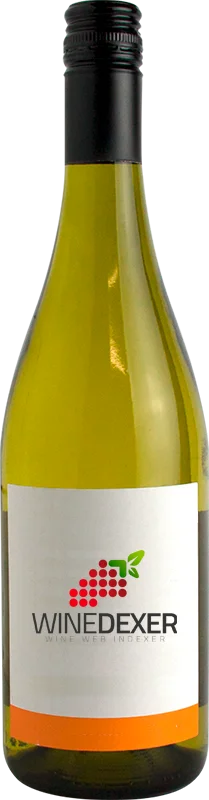
Winery Lost OakDoble Diamante Vineyards Orange Muscat
 White wine



This wine generally goes well with
Details and technical informations about Winery Lost Oak's Doble Diamante Vineyards Orange Muscat.
Discover the grape variety: Traminette
Interspecific crossing between 23416 Joannès Seyve (4.825 Bertille Seyve x 7053 Seibel) and the gewurztraminer obtained in 1965 by Herb Barrett of the University of Illinois (United States) and selected by the Experimental Station of Cornell University in Geneva (United States) In this country, it can be found in many wine-producing regions, as well as in Canada and Germany, but it is virtually unknown in France.
Last vintages of this wine
The best vintages of Doble Diamante Vineyards Orange Muscat from Winery Lost Oak are 0
Informations about the Winery Lost Oak
The Winery Lost Oak is one of of the world's great estates. It offers 52 wines for sale in the of Texas High Plains to come and discover on site or to buy online.

The wine region of Texas High Plains
The wine region of Texas High Plains is located in the region of Texas of United States. We currently count 104 estates and châteaux in the of Texas High Plains, producing 472 different wines in conventional, organic and biodynamic agriculture. The wines of Texas High Plains go well with generally quite well with dishes .
The wine region of Texas
Texas is the largest state in the United States of America and one of the most productive viticultural states. Covering 696,000 km² (268,000 square miles) between latitudes 25-36°N, this hot, Dry state is home to a range of mesoclimates suitable for viticulture in the deserts, mountains, lakes and plains of Texas. The main Grape varieties grown in Texas are Cabernet Sauvignon, Chardonnay, Chenin Blanc and (despite the hot conditions) Sauvignon Blanc. Generally speaking, Texas viticulture is divided into three main regions: NorthCentral, Southeast and Trans-Pecos.
The word of the wine: Dosing liqueur (champagne)
Also known as liqueur d'expédition, a solution made up of wine and sugar added to champagne after disgorgement and which determines the type of wine: extra-brut, brut, extra-dry, dry, demi-sec.