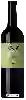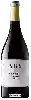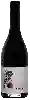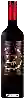
Winery Los RaigonesMontilla-Moriles Pedro Ximénez
 Red wine


This wine generally goes well with blue cheese and sweet desserts.
Food and wine pairings with Montilla-Moriles Pedro Ximénez
Pairings that work perfectly with Montilla-Moriles Pedro Ximénez


Original food and wine pairings with Montilla-Moriles Pedro Ximénez
The Montilla-Moriles Pedro Ximénez of Winery Los Raigones matches generally quite well with dishes of sweet desserts or blue cheese such as recipes of yoghurt cake or farfalle with spinach and gorgonzola sauce.
Details and technical informations about Winery Los Raigones's Montilla-Moriles Pedro Ximénez.
Discover the grape variety: Verdicchio blanc
This grape variety was known for a long time in the central region of Italy and is now cultivated in almost all the wine-producing regions of this country. Under the name of peverella, it can still be found in Brazil, where it has occupied large areas for a long time. In France, it is almost unknown. It would seem that it has many relatives, in particular with varieties of Italian origin, known or little known, without us being able to quote them with certainty because the doubt still remains, to be followed! The pink verdicchio exists but is not related to any of them.
Last vintages of this wine
The best vintages of Montilla-Moriles Pedro Ximénez from Winery Los Raigones are 0
Informations about the Winery Los Raigones
The Winery Los Raigones is one of of the world's greatest estates. It offers 3 wines for sale in the of Andalousie to come and discover on site or to buy online.

The wine region of Andalousie
Andalusia, located in the southwest of Spain, is the southernmost administrative region of the Spanish mainland. It is home to the world-famous fortified wine, sherry. This dynamic region is the most populous in Spain and has a colourful history. Its strategic position at the gateway to the Mediterranean and its proximity to Africa have made it the target of many settlements and invasions throughout history.
The word of the wine: Roast
Specific character given by noble rot to sweet wines, which results in a candied taste and aroma.