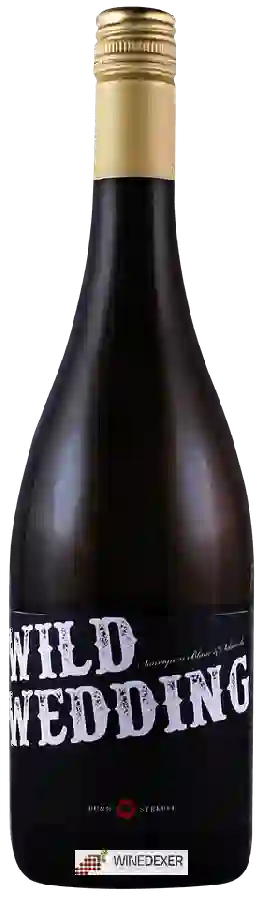
Winery Lisa BunnWild Wedding White
 White wine



This wine generally goes well with vegetarian, rich fish (salmon, tuna etc) or shellfish.

Food and wine pairings with Wild Wedding White
Pairings that work perfectly with Wild Wedding White



Original food and wine pairings with Wild Wedding White
The Wild Wedding White of Winery Lisa Bunn matches generally quite well with dishes of rich fish (salmon, tuna etc), shellfish or vegetarian such as recipes of niçoise salad, garlic shrimp or cream and tuna quiche.
Details and technical informations about Winery Lisa Bunn's Wild Wedding White.
Discover the grape variety: Scheurebe
Aromatic, structured whites with lively acidity and a round mouth, featuring intense aromas of pink grapefruit, blackcurrant, passion fruit, white flowers and muscat notes. Made as aromatic dry wines (Trocken), off-dry (Kabinett, Spätlese) and especially sumptuous botrytised sweet wines (Auslese, Beerenauslese, Trockenbeerenauslese). Grown in Germany (Rheinhessen, Palatinate) and Austria. Created in 1916 by Georg Scheu in Alzey, a Riesling × Bukettrebe cross.
Last vintages of this wine
The best vintages of Wild Wedding White from Winery Lisa Bunn are 2018, 0
Informations about the Winery Lisa Bunn
The Winery Lisa Bunn is one of of the world's great estates. It offers 50 wines for sale in the of Rheinhessen to come and discover on site or to buy online.

The wine region of Rheinhessen
71% white region: Riesling is king (5,000 ha), dry to off-dry, ripe yellow fruit, apple, citrus and fine saline minerality. Supple, floral Müller-Thurgau for everyday, the world's largest Silvaner plantation with herbaceous, straight notes. Historic cradle of off-sweet Liebfraumilch. Some supple reds (Dornfelder, Spätburgunder).
The word of the wine: Tanin
A natural compound contained in the skin of the grape, the seed or the woody part of the bunch, the stalk. The maceration of red wines allows the extraction of tannins, which give the texture, the solidity and also the mellowness when the tannins are "ripe". The winemaker seeks above all to extract the tannins from the skin, the ripest and most noble. The tannins of the seed or stalk, which are "greener", especially in average years, give the wine hardness and astringency. The wines of Bordeaux (based on Cabernet and Merlot) are full of tannins, those of Burgundy much less so, with Pinot Noir containing little.


