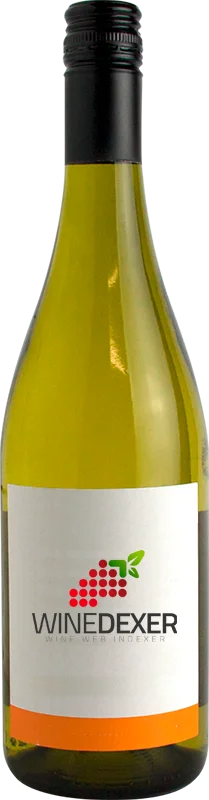
Winery LionneChateau les Nivets Loupiac Blanc
 White wine
This wine generally goes well with vegetarian, poultry or rich fish (salmon, tuna etc).
Food and wine pairings with Chateau les Nivets Loupiac Blanc
Pairings that work perfectly with Chateau les Nivets Loupiac Blanc



Original food and wine pairings with Chateau les Nivets Loupiac Blanc


The Chateau les Nivets Loupiac Blanc of Winery Lionne matches generally quite well with dishes of pork, vegetarian or poultry such as recipes of endive frichti, quiche with leeks and fresh salmon from flo or eggs in meurette.
Details and technical informations about Winery Lionne's Chateau les Nivets Loupiac Blanc.
Discover the grape variety: Christmas rose
Obtained in 1980 in the United States (California) by Harold P. Olmo and Albert T. Koyama by crossing S44-35c with 9117D. - Synonymy: no synonyms known to date (all the synonyms of the grape varieties, click here!).
Informations about the Winery Lionne
The Winery Lionne is one of of the world's greatest estates. It offers 5 wines for sale in the of Loupiac to come and discover on site or to buy online.

The wine region of Loupiac
The wine region of Loupiac is located in the region of Entre-deux-Mers of Bordeaux of France. Wineries and vineyards like the Château du Cros or the Château Massac produce mainly wines sweet, white and red. The most planted grape varieties in the region of Loupiac are Muscadelle, Cabernet-Sauvignon and Merlot, they are then used in wines in blends or as a single variety. On the nose of Loupiac often reveals types of flavors of honey, lychee or honeysuckle and sometimes also flavors of pear, marmalade or persimmon.
The wine region of Bordeaux
Bordeaux, in southwestern France, is one of the most famous, prestigious and prolific wine regions in the world. The majority of Bordeaux wines (nearly 90% of the production Volume) are the Dry, medium and Full-bodied red Bordeaux blends for which it is famous. The finest (and most expensive) are the wines of the great châteaux of Haut-Médoc and the right bank appellations of Saint-Émilion and Pomerol. The former focuses (at the highest level) on Cabernet Sauvignon, the latter on Merlot.
The word of the wine: Flavours
There are generally four so-called fundamental flavours: acidity, bitterness, sweetness and saltiness. The first three are considered to be the building blocks of the structure of wines. They are perceived by the taste buds that cover the surface of the tongue.