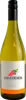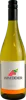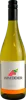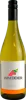
Château de MontalieLoupiac
 White wine



This wine generally goes well with vegetarian, poultry or rich fish (salmon, tuna etc).

Food and wine pairings with Loupiac
Pairings that work perfectly with Loupiac



Original food and wine pairings with Loupiac


The Loupiac of Château de Montalie matches generally quite well with dishes of rich fish (salmon, tuna etc), shellfish or sweet desserts such as recipes of cannelloni with salmon and spinach, marinated mussels with maroilles or gaufress and light.
Details and technical informations about Château de Montalie's Loupiac.
Discover the grape variety: Rolle
Structured, aromatic whites with an ample mouth and fresh acidity, featuring aromas of citrus (grapefruit, lemon), pear, white flesh fruits, white flowers, fennel and typical marine saline notes. Slightly bitter finish on citrus peel. The absolute signature of great Provence whites (Côtes de Provence AOC, Bellet AOC), a pillar of Corsican whites (Patrimonio AOC, Ajaccio AOC) and present in Languedoc. The French name for Italian Vermentino, native Mediterranean grape.
Last vintages of this wine
The best vintages of Loupiac from Château de Montalie are 2009
Informations about the Château de Montalie
The Château de Montalie is one of of the world's greatest estates. It offers 1 wines for sale in the of Loupiac to come and discover on site or to buy online.

The wine region of Loupiac
Sweet AOC on the right bank of the Garonne (Entre-deux-Mers, opposite Barsac): Sémillon signature sweet white king (~80%) — thick skin welcoming Botrytis cinerea (noble rot), signature rich, ample and unctuous profile with signature aromas of honey, candied fruits, dried apricot and white flowers, elegant structure balanced by acidity. Sauvignon Blanc bringing citrus liveliness and herbaceous touches, floral Muscadelle in complement. Style close to Sauternes.
The wine region of Bordeaux
World-renowned age-worthy reds, led by round Merlot (plum, black fruit) or firm Cabernet Sauvignon (blackcurrant, cedar, graphite), blended with Cabernet Franc and Petit Verdot for tannic structure. Structured Médoc and Graves, velvety Saint-Émilion and Pomerol. Also crisp dry whites (Sauvignon/Sémillon) and opulent sweet Sauternes with honey and candied fruit. A 110,000 ha Gironde vineyard, 65 appellations, cradle of the 1855 classified growths.
The word of the wine: R-C (champagne)
Harvesting-cooperator. It is the cooperative which elaborates the champagne of its members from their mixed contributions. It gives them bottles on which they stick their own label. It is legal without being intellectually honest. When you walk around the Champagne region, you may come across signs that say "Vigneron récoltant" to indicate a member of a cooperative. You can always ask him where his vats and press are.