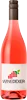
Winery Libertine WinesHopped Up On Goofballs
 White wine


This wine generally goes well with pork, vegetarian or poultry.
Food and wine pairings with Hopped Up On Goofballs
Pairings that work perfectly with Hopped Up On Goofballs



Original food and wine pairings with Hopped Up On Goofballs



The Hopped Up On Goofballs of Winery Libertine Wines matches generally quite well with dishes of pork, rich fish (salmon, tuna etc) or shellfish such as recipes of stuffed squid in the sétoise sauce, pumpkin and tuna gratin or tagliatelle with seafood and saffron cream.
Details and technical informations about Winery Libertine Wines's Hopped Up On Goofballs.
Discover the grape variety: Riesling
White Riesling is a grape variety that originated in France (Alsace). It produces a variety of grape specially used for the elaboration of wine. It is rare to find this grape to eat on our tables. This variety of grape is characterized by small bunches, and small grapes. White Riesling can be found in many vineyards: Alsace, Loire Valley, Languedoc & Roussillon, Lorraine, Provence & Corsica, Rhone Valley, Savoie & Bugey, Beaujolais, South West.
Last vintages of this wine
The best vintages of Hopped Up On Goofballs from Winery Libertine Wines are 0
Informations about the Winery Libertine Wines
The Winery Libertine Wines is one of of the world's greatest estates. It offers 10 wines for sale in the of Oregon to come and discover on site or to buy online.

The wine region of Oregon
Oregon, located in the Pacific Northwest of the United States, is one of the youngest and most promising wine regions in the world. The state put itself on the international wine map in the late 1960s and has been building its position ever since. Production volumes have remained relatively quiet. The 2017 Oregon Vineyards and Wineries report recorded just under 34,000 acres (13,750 hectares) of planted vineyards.
The word of the wine: Tanin
A natural compound contained in the skin of the grape, the seed or the woody part of the bunch, the stalk. The maceration of red wines allows the extraction of tannins, which give the texture, the solidity and also the mellowness when the tannins are "ripe". The winemaker seeks above all to extract the tannins from the skin, the ripest and most noble. The tannins of the seed or stalk, which are "greener", especially in average years, give the wine hardness and astringency. The wines of Bordeaux (based on Cabernet and Merlot) are full of tannins, those of Burgundy much less so, with Pinot Noir containing little.