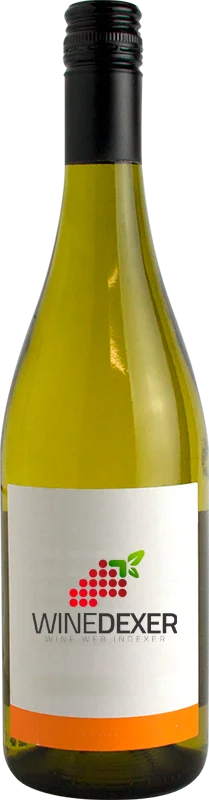
Winery Les PeyrillesMuscat Sec
 White wine
This wine generally goes well with vegetarian, poultry or lean fish.
Food and wine pairings with Muscat Sec
Pairings that work perfectly with Muscat Sec



Original food and wine pairings with Muscat Sec


The Muscat Sec of Winery Les Peyrilles matches generally quite well with dishes of pasta, vegetarian or poultry such as recipes of eggplant lasagna, leek, goat cheese and bacon quiche or chicken chop suey.
Details and technical informations about Winery Les Peyrilles's Muscat Sec.
Discover the grape variety: Courbu noir
Courbu noir is a grape variety with red and bronze leaves. It originates from the Pyrenean vineyards where it occupies a little more than one hectare. It is completely different from the white Courbu. The adult leaves have five lobes and a petiolar sinus. The berries of the Courbu Noir are round. The berries are small, as are the clusters. The beginning of the veins and the petiolar point are red. The shoots of this grape variety bend to form a parasol. To hope for a significant harvest, it is important to prune it long. Its budburst period begins 3 days after Chasselas. As for its maturity, it is the third period. This variety is very sensitive to oidium, but it does not fear mildew very much. It produces light and fine wines. It is not very colourful and does not contain enough alcohol. Courbu Noir has two approved clones, 728 and 729.
Informations about the Winery Les Peyrilles
The Winery Les Peyrilles is one of of the world's greatest estates. It offers 3 wines for sale in the of Languedoc to come and discover on site or to buy online.

The wine region of Languedoc
Languedoc (formerly Coteaux du Languedoc) is a key appellation used in the Languedoc-Roussillon wine region of southern France. It covers Dry table wines of all three colors (red, white and rosé) from the entire region, but leaves Sweet and Sparkling wines to other more specialized appellations. About 75% of all Languedoc wines are red, with the remaining 25% split roughly down the middle between whites and rosés. The appellation covers most of the Languedoc region and almost a third of all the vineyards in France.
The wine region of Languedoc-Roussillon
Languedoc (formerly Coteaux du Languedoc) is a key appellation used in the Languedoc-Roussillon wine region of southern France. It covers Dry table wines of all three colors (red, white and rosé) from the entire region, but leaves Sweet and Sparkling wines to other more specialized appellations. About 75% of all Languedoc wines are red, with the remaining 25% split roughly down the middle between whites and rosés. The appellation covers most of the Languedoc region and almost a third of all the vineyards in France.
The word of the wine: Brut nature (or ultra brut)
A type of champagne that has not received any dosage liqueur.