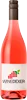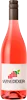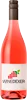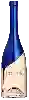
Winery Les Celliers de RamatuelleJéroboam Côtes de Provence Rosé
 Pink wine
This wine generally goes well with pork, vegetarian or poultry.

Food and wine pairings with Jéroboam Côtes de Provence Rosé
Pairings that work perfectly with Jéroboam Côtes de Provence Rosé



Original food and wine pairings with Jéroboam Côtes de Provence Rosé

The Jéroboam Côtes de Provence Rosé of Winery Les Celliers de Ramatuelle matches generally quite well with dishes of pork, shellfish or vegetarian such as recipes of country cabbage, cuttlefish with cider or mushroom, bacon and gruyere quiche.
Details and technical informations about Winery Les Celliers de Ramatuelle's Jéroboam Côtes de Provence Rosé.
Discover the grape variety: Castets
Structured, colourful reds with a dark ruby colour, firm tannins and a dense palate showing black fruits (blackberry, cassis), spices, Mediterranean herbs and balsamic notes. A rare tannic profile today. Preserved for its heritage value, it contributes to IGP Aveyron and is studied for its genetic interest among the ancient grapes of the South-West.
Informations about the Winery Les Celliers de Ramatuelle
The Winery Les Celliers de Ramatuelle is one of of the world's great estates. It offers 61 wines for sale in the of Côtes de Provence to come and discover on site or to buy online.

The wine region of Côtes de Provence
World reference for pale, elegant rosé: salmon to onion-skin hue, notes of strawberry, pink grapefruit, white peach and flowers, fresh, dry, mineral palate, taut finish. 90% of output, the Provençal signature. Grenache, Cinsault, Syrah and native Tibouren in the blend. A few fleshy Mediterranean reds (Mourvèdre, Syrah) and saline Vermentino whites.
The wine region of Provence
World capital of dry, refined rosé (~90% of production). Pale rose-petal colour, delicate nose of fresh red fruits (strawberry, raspberry, redcurrant), citrus (pink grapefruit), white flowers and a mineral touch, taut and thirst-quenching palate — the Mediterranean aperitif par excellence. Blends of Grenache, Cinsault, Syrah, Tibouren and Mourvèdre. Fleshy Bandol reds from Mourvèdre (leather, garrigue, age-worthy), straight Cassis whites.
The word of the wine: Tartar (deposit)
White, chalky deposits that occur as a result of precipitation inside bottles and are often considered by consumers as a defect. They are in fact tartaric salts formed by tartaric acid, potassium and calcium naturally present in the wine. This deposit does not alter the quality of the wine and can be eliminated by a simple decanting.