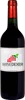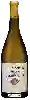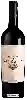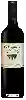
Les Caves du Sieur a ArquesLa Révolution Shiraz
 Red wine
This wine generally goes well with beef, lamb or mature and hard cheese.
Food and wine pairings with La Révolution Shiraz
Pairings that work perfectly with La Révolution Shiraz



Original food and wine pairings with La Révolution Shiraz

The La Révolution Shiraz of Les Caves du Sieur a Arques matches generally quite well with dishes of beef, lamb or spicy food such as recipes of stuffed zucchini, rice with paprika and merguez or filet mignon with curry.
Details and technical informations about Les Caves du Sieur a Arques's La Révolution Shiraz.
Discover the grape variety: Grassen
Grassen noir is a grape variety that originated in France (Provence). It produces a variety of grape specially used for wine making. It is rare to find this grape to eat on our tables. Grassen noir can be found grown in these vineyards: South West, Cognac, Bordeaux, Provence & Corsica, Rhone Valley.
Informations about the Les Caves du Sieur a Arques
The Les Caves du Sieur a Arques is one of of the world's greatest estates. It offers 4 wines for sale in the of Limoux to come and discover on site or to buy online.

The wine region of Limoux
Limoux is a relatively New appellation (created in 2003) in the eastern Part of the Aude region of Southern France, which applies to both red and white wines. The vineyards extend around the town that gave it its name, in the foothills of the Pyrenees east of the Languedoc-Roussillon/corbieres">Corbières and south of Carcassonne. Historically, this region is best known for its Sparkling wines, which are produced and sold under the appellations of Blanquette de Limoux and Crémant de Limoux. The vineyards here are higher and cooler than those of any other appellation in the Languedoc-Roussillon, and also further away from the moderating temperature influences of the Mediterranean.
The wine region of Languedoc-Roussillon
Languedoc (formerly Coteaux du Languedoc) is a key appellation used in the Languedoc-Roussillon wine region of southern France. It covers Dry table wines of all three colors (red, white and rosé) from the entire region, but leaves Sweet and Sparkling wines to other more specialized appellations. About 75% of all Languedoc wines are red, with the remaining 25% split roughly down the middle between whites and rosés. The appellation covers most of the Languedoc region and almost a third of all the vineyards in France.
The word of the wine: Côte des Bar
This is the name given to the vineyards of the Aube, which are closer to Burgundy, and some of the wines produced here bear witness to this proximity. The pinot noir dominates, the meunier is practically absent. Two crus have become references: Riceys, where a rosé without bubbles is also produced, and Montgueux near Troyes, renowned for its Chardonnay.