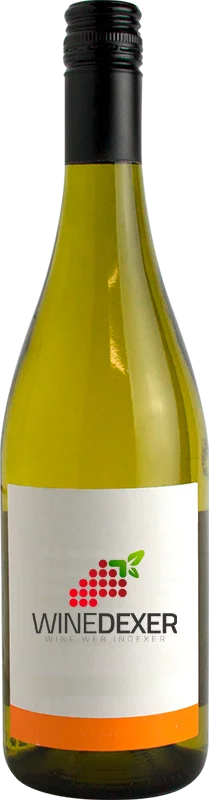
Les Caves du Sieur a ArquesSauvignon La Révolution
 White wine
This wine generally goes well with vegetarian, rich fish (salmon, tuna etc) or shellfish.

Food and wine pairings with Sauvignon La Révolution
Pairings that work perfectly with Sauvignon La Révolution



Original food and wine pairings with Sauvignon La Révolution
The Sauvignon La Révolution of Les Caves du Sieur a Arques matches generally quite well with dishes of rich fish (salmon, tuna etc), shellfish or vegetarian such as recipes of smoked salmon omelette, navarin of the sea da gigi or spinach and goat cheese quiche.
Details and technical informations about Les Caves du Sieur a Arques's Sauvignon La Révolution.
Discover the grape variety: Furmint
Taut, structured whites with cutting acidity and a mineral mouth, featuring aromas of apple, quince, citrus, honey, smoke and chalk notes. Made as ambitious dry wines (Tokaji száraz, Somló), off-dry and especially sumptuous botrytised sweet wines: Tokaji Aszú (legendary, classified by puttonyos) and Tokaji Eszencia. Highly susceptible to noble rot. The absolute star of Tokaj in Hungary, also in Slovakia, Slovenia (Šipon) and Austria. Native Hungarian grape.
Informations about the Les Caves du Sieur a Arques
The Les Caves du Sieur a Arques is one of of the world's greatest estates. It offers 4 wines for sale in the of Vin de France to come and discover on site or to buy online.

The wine region of Vin de France
The freest category of French wine, the playground of winemakers working outside the AOC. All styles combined: fruity reds, lively or ambitious whites, everyday rosés, unusual blends, natural wines, atypical grapes (Petit Manseng in Languedoc, Riesling in Provence), experimental winemaking (skin-contact whites, no sulphur). Grape and vintage labelling allowed, no geographic constraint. From the pop, convivial cuvée to the artisan gem: freedom in a bottle.
The word of the wine: Vinification of sweet wines
Moelleux and liquoreux wines are characterized by the presence of residual sugars (natural sugar of the grape), not transformed into alcohol under the effect of yeasts. The fermentation is stopped by cold and by the addition of sulphur dioxide (sulphur).