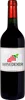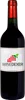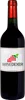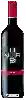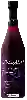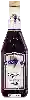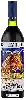
Ledge Rock Hill Winery & VineyardOld Vine Zinfandel
 Red wine


This wine generally goes well with beef, lamb or goat cheese.

Food and wine pairings with Old Vine Zinfandel
Pairings that work perfectly with Old Vine Zinfandel



Original food and wine pairings with Old Vine Zinfandel
The Old Vine Zinfandel of Ledge Rock Hill Winery & Vineyard matches generally quite well with dishes of beef, lamb or goat cheese such as recipes of chinese fondue, pizza queen with merguez or vegetarian lasagne with goat cheese.
Details and technical informations about Ledge Rock Hill Winery & Vineyard's Old Vine Zinfandel.
Discover the grape variety: Zinfandel
Generous, high-alcohol reds with a dark robe and indulgent palate, showing aromas of stewed blackberry, raspberry, black pepper, liquorice, cinnamon and cooked fruit. Also vinified as a popular sweet rosé (White Zinfandel). Star of California (Lodi, Sonoma, Dry Creek Valley, Paso Robles) with sought-after century-old vines. Identical to Italian Primitivo and Croatian Crljenak Kaštelanski by DNA analysis.
Last vintages of this wine
The best vintages of Old Vine Zinfandel from Ledge Rock Hill Winery & Vineyard are 0
Informations about the Ledge Rock Hill Winery & Vineyard
The Ledge Rock Hill Winery & Vineyard is one of of the world's greatest estates. It offers 11 wines for sale in the of New York to come and discover on site or to buy online.

The wine region of New York
America's 3rd wine state by volume, striking diversity. Finger Lakes the signature: cool-climate Riesling, dry to off-dry, mineral and lively with notes of lime, apple, evolving petrol and white flowers — a US benchmark. Warmer Long Island for peppery Cabernet Franc and supple Merlot. Hudson Valley (Seyval, Vidal).
The word of the wine: Perfume
A pleasant scent most commonly associated with the world of flowers.