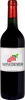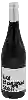
Dominique Léandre Chevalier - Chateau Le QueyrouxMalbec
 Red wine



This wine generally goes well with poultry, beef or mature and hard cheese.

Wine flavors and olphactive analysis

Food and wine pairings with Malbec
Pairings that work perfectly with Malbec



Original food and wine pairings with Malbec

The Malbec of Dominique Léandre Chevalier - Chateau Le Queyroux matches generally quite well with dishes of beef, spicy food or mature and hard cheese such as recipes of fresh sausage, lobster tail armorican style or crozets carbonara with beaufort cheese au gratin.
Details and technical informations about Dominique Léandre Chevalier - Chateau Le Queyroux's Malbec.
Discover the grape variety: Malbec
Deep, velvety reds with an intense purple colour, showing aromas of blackberry, black plum, violet, cocoa and gentle spice. Round tannins, fleshy palate, peppery length. Star of Cahors AOC (Côt, Auxerrois) in France and the absolute signature of Mendoza, Argentina (Uco Valley, Luján de Cuyo). A French South-West variety that became the Argentine emblem after its post-phylloxera decline.
Last vintages of this wine
The best vintages of Malbec from Dominique Léandre Chevalier - Chateau Le Queyroux are 2015
Informations about the Dominique Léandre Chevalier - Chateau Le Queyroux
The Dominique Léandre Chevalier - Chateau Le Queyroux is one of of the world's greatest estates. It offers 26 wines for sale in the of Vin de France to come and discover on site or to buy online.

The wine region of Vin de France
The freest category of French wine, the playground of winemakers working outside the AOC. All styles combined: fruity reds, lively or ambitious whites, everyday rosés, unusual blends, natural wines, atypical grapes (Petit Manseng in Languedoc, Riesling in Provence), experimental winemaking (skin-contact whites, no sulphur). Grape and vintage labelling allowed, no geographic constraint. From the pop, convivial cuvée to the artisan gem: freedom in a bottle.
The word of the wine: Viscosity
Consistency of wine reminiscent of the tactile sensation of sugar syrup with varying degrees of fluidity, due to the alcohol and natural sugar in the grapes present in sweet wines. In excess, this sensation can make the wine pasty and heavy. To the eye, viscosity is referred to as tears.