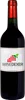
Winery Le MorreShiraz
 Red wine


In the mouth this red wine is a powerful.
This wine generally goes well with beef, lamb or pasta.
Taste structure of the Shiraz from the Winery Le Morre
Light | Bold | |
Smooth | Tannic | |
Dry | Sweet | |
Soft | Acidic |
In the mouth the Shiraz of Winery Le Morre in the region of Sicily is a powerful.
Food and wine pairings with Shiraz
Pairings that work perfectly with Shiraz



Original food and wine pairings with Shiraz
The Shiraz of Winery Le Morre matches generally quite well with dishes of beef, pasta or lamb such as recipes of beef coarse salt, pasta romantica or lamb curry.
Details and technical informations about Winery Le Morre's Shiraz.
Discover the grape variety: Altesse
The Altesse white grape variety is French in origin, but its ancestors were brought from Cyprus. It then developed in the vineyards of the southeast of the country. The Montagnieu fusette or arbane, as it is also called, buds early in the year. A cottony veil covers the first buds. The involuted blade and the U-shaped petiolar sinus distinguish the adult, three-lobed leaves. During, sometimes for late vengeance, the clusters of medium or small size are winged, compact and cylindrical.the fruits reveal a melting pulp under a film of variable color. The pink-tan colour replaces the early reddish yellow when the berries ripen. If they persist, the berries take on a lilac hue. The vinification promises sparkling, aromatic and elegant sweet whites, or dry whites. Altesse is a grape variety to be carefully maintained against acariosis and erinosis.
Last vintages of this wine
The best vintages of Shiraz from Winery Le Morre are 2016, 0
Informations about the Winery Le Morre
The Winery Le Morre is one of of the world's greatest estates. It offers 19 wines for sale in the of Sicily to come and discover on site or to buy online.

The wine region of Sicily
Sicily is the Southernmost region of Italy, and the largest island in the Mediterranean Sea. For over 2500 years, Sicily (Sicilia in Italian) has been an important centre of Mediterranean viticulture, although the reputation and style of its wines have changed considerably over time. The island was once best known for its Sweet muscatels (see Pantelleria), and later for its fortified Marsala. Today, many of its best-known wines are Dry table wines produced under the regional designation IGT Terre Siciliane, or Sicilia DOC (see below).
The word of the wine: Extra-dry
Champagne with between 12 and 20 grams of sugar (see dosage liqueur).