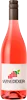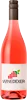
Winery Club des SommeliersPineau des Charentes Rosé
 Pink wine



This wine generally goes well with beef, lamb or mature and hard cheese.

Food and wine pairings with Pineau des Charentes Rosé
Pairings that work perfectly with Pineau des Charentes Rosé



Original food and wine pairings with Pineau des Charentes Rosé

The Pineau des Charentes Rosé of Winery Club des Sommeliers matches generally quite well with dishes of beef, lamb or spicy food such as recipes of beef and spice stuffed peppers, leg with a spoon or seven o'clock leg or pasta shells.
Details and technical informations about Winery Club des Sommeliers's Pineau des Charentes Rosé.
Discover the grape variety: Barlinka
Table grape with long clusters of juicy, crunchy, black-violet berries with thin skin, firm flesh and a neutral sweet taste. Very rarely vinified. Grown mainly in South Africa for fresh consumption and export to Europe, prized for its attractive appearance, long shelf life and pleasant flavour. South African black table grape variety obtained in 1939 by complex crossing.
Informations about the Winery Club des Sommeliers
The Winery Club des Sommeliers is one of wineries to follow in Pineau des Charentes.. It offers 364 wines for sale in the of Pineau des Charentes to come and discover on site or to buy online.

The wine region of Pineau des Charentes
AOC vin de liqueur of the Charentes (Cognac zone), made by mutage: fresh must + Cognac eau-de-vie, aged in cask min. 18 months. Charentais aperitif signature with notes of fresh grape, honey, candied fruits, citrus, soft vanilla and a hazelnut touch in white — deep gold robe, round velvety palate at 17% vol. Rosé version on Cabernet and Merlot brings strawberry and red fruits.
The wine region of Cognac
Charente vineyard dedicated to distillation for Cognac eau-de-vie (AOC 1936). Six signature ranked crus: Grande Champagne the most prestigious (elegance and length), fine Petite Champagne, round and floral Borderies, fruity Fins Bois, rustic Bons Bois, ordinary Bois. Spirits with grape, white flowers, dried fruits, vanilla, leather, spice and noble rancio notes — from young VS to long-aged XO. Ugni Blanc king (98%), Folle Blanche, Colombard.
The word of the wine: Rancio
Odour and taste characteristic of certain wines that have undergone oxidative maturation, i.e. in contact with oxygen (vin jaune du Jura, dry rancio du Roussillon, maury, banyuls, rivesaltes, etc.).