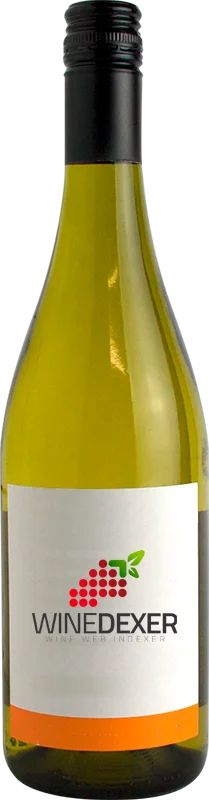
Winery Le AnforeMoscato
 White wine



In the mouth this white wine is a powerful.
This wine generally goes well with lean fish, shellfish or mature and hard cheese.

Taste structure of the Moscato from the Winery Le Anfore
Light | Bold | |
Dry | Sweet | |
Soft | Acidic |
In the mouth the Moscato of Winery Le Anfore in the region of Tuscany is a powerful.
Food and wine pairings with Moscato
Pairings that work perfectly with Moscato



Original food and wine pairings with Moscato


The Moscato of Winery Le Anfore matches generally quite well with dishes of pasta, shellfish or mature and hard cheese such as recipes of cannelloni with brocciu from jeanne, fish and shrimp curry or titgazelle's herring and leek pie.
Details and technical informations about Winery Le Anfore's Moscato.
Discover the grape variety: Cabernet-Carbon
Colored, fruity reds with a dark ruby robe, smooth tannins and a dense palate, with signature aromas of blackcurrant (Cabernet character), black fruits (blackberry), spices and peppery notes reminiscent of Cabernet Sauvignon. Modern profile for early drinking or short ageing. Grown in Germany, Switzerland and the Benelux for organic vineyards. German black hybrid created in 1983 at Geilweilerhof, disease-resistant (Cabernet Sauvignon × resistant variety).
Last vintages of this wine
The best vintages of Moscato from Winery Le Anfore are 0, 2017
Informations about the Winery Le Anfore
The Winery Le Anfore is one of of the world's greatest estates. It offers 11 wines for sale in the of Tuscany to come and discover on site or to buy online.

The wine region of Tuscany
Kingdom of Sangiovese: upright reds with cherry, plum, dried herbs and leather, lively acidity and firm tannins. Fleshy, food-friendly Chianti Classico DOCG, deep long-ageing Brunello di Montalcino (spice, tobacco, ripe black fruit), elegant Vino Nobile di Montepulciano. On the coast, Bolgheri crafts the opulent Cabernet- and Merlot-based 'Super Tuscans'. Some fresh white Vernaccia.
The word of the wine: White winemaking
White wines are obtained by fermentation of the juice after pressing. A pre-fermentation maceration is sometimes practiced to extract the aromatic substances from the skins. White wines are normally made from white grapes, but can also be made from red grapes (blanc de noirs). The grapes are then pressed as soon as they arrive at the vat house without maceration in order to prevent the colouring matter contained in the skins from "staining" the wine.