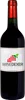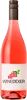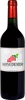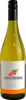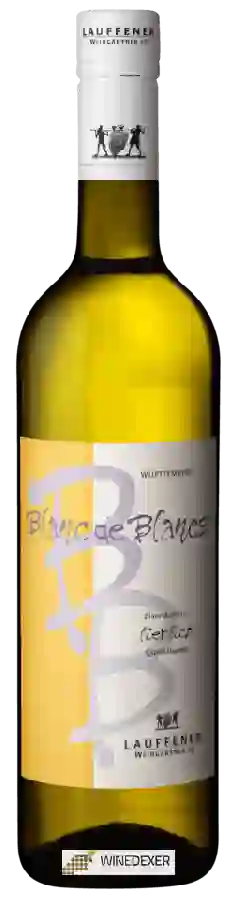
Winery LauffenerBlanc de Blancs Lieblich
 White wine


This wine generally goes well with pork, vegetarian or poultry.
Food and wine pairings with Blanc de Blancs Lieblich
Pairings that work perfectly with Blanc de Blancs Lieblich



Original food and wine pairings with Blanc de Blancs Lieblich

The Blanc de Blancs Lieblich of Winery Lauffener matches generally quite well with dishes of pork, rich fish (salmon, tuna etc) or vegetarian such as recipes of coconut beans, norwegian salmon parmentier or cream and tuna quiche.
Details and technical informations about Winery Lauffener's Blanc de Blancs Lieblich.
Discover the grape variety: Chardonnay
The white Chardonnay is a grape variety that originated in France (Burgundy). It produces a variety of grape specially used for wine making. It is rare to find this grape to eat on our tables. This variety of grape is characterized by small bunches, and small grapes. White Chardonnay can be found in many vineyards: South West, Burgundy, Jura, Languedoc & Roussillon, Cognac, Bordeaux, Beaujolais, Savoie & Bugey, Loire Valley, Champagne, Rhone Valley, Armagnac, Lorraine, Alsace, Provence & Corsica.
Last vintages of this wine
The best vintages of Blanc de Blancs Lieblich from Winery Lauffener are 2013, 0
Informations about the Winery Lauffener
The Winery Lauffener is one of of the world's great estates. It offers 92 wines for sale in the of Württemberg to come and discover on site or to buy online.

The wine region of Württemberg
Württemberg is known as Germany's premier red wine region. With almost 11,500 hectares (28,500 acres) of vineyards, it is the fourth-largest wine region in the country. Found adjacent to Baden and South of Franken, Wüttemberg is a particularly hilly and rural wine-region. Almost 70-percent of Württemberg wines are red, predominantly made from Trollinger, SchwarzRiesling and Lemberger.
The word of the wine: Disorder
Said of a wine that is not clear due to the presence of colloidal suspensions that prevent the passage of light.