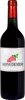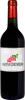
Winery Laufener AltenbergNo. 3 Edition Spätburgunder Trocken
 Red wine
In the mouth this red wine is a with a nice freshness.
This wine generally goes well with poultry, beef or veal.
Taste structure of the No. 3 Edition Spätburgunder Trocken from the Winery Laufener Altenberg
Light | Bold | |
Smooth | Tannic | |
Dry | Sweet | |
Soft | Acidic |
In the mouth the No. 3 Edition Spätburgunder Trocken of Winery Laufener Altenberg in the region of Baden is a with a nice freshness.
Food and wine pairings with No. 3 Edition Spätburgunder Trocken
Pairings that work perfectly with No. 3 Edition Spätburgunder Trocken



Original food and wine pairings with No. 3 Edition Spätburgunder Trocken

The No. 3 Edition Spätburgunder Trocken of Winery Laufener Altenberg matches generally quite well with dishes of beef, veal or game (deer, venison) such as recipes of braciola (southern italy), meatballs catalan style or giant paella cooked on a wood fire.
Details and technical informations about Winery Laufener Altenberg's No. 3 Edition Spätburgunder Trocken.
Discover the grape variety: Raisaine
Most certainly Ardéchoise, formerly cultivated in the region of Privas, Aubenas, Joyeuse and Largentière. It is the result of a natural intra-specific crossing between the black ribier and the red grec. Today, Raisaine is totally absent from the vineyards and is therefore in danger of disappearing, although it is listed in the Official Catalogue of Wine Grapes, list A.
Informations about the Winery Laufener Altenberg
The Winery Laufener Altenberg is one of of the world's great estates. It offers 59 wines for sale in the of Baden to come and discover on site or to buy online.

The wine region of Baden
Baden is the southernmost of Germany's 13 official wine regions. It is also the warmest. Its relatively sunny, DryClimate permits the production of good-quality Spätburgunder (Pinot Noir) and ripe, relatively Full-bodied">Full-bodied examples of Grauburgunder (Pinot Gris) and Weissburgunder (Pinot Blanc). These are often made in oaked styles.
The word of the wine: Rosé de saignée
A method of making rosé wine that consists of partially draining a vat of red wine after a few hours of maceration. The longer the maceration, the stronger the colour. This practice gives rich and expressive rosés.