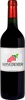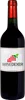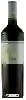
Winery LattaClunes Claptons Slaughter Yard Rd Mataro
 Red wine
This wine generally goes well with
The Clunes Claptons Slaughter Yard Rd Mataro of the Winery Latta is in the top 90 of wines of Pyrenees.

Details and technical informations about Winery Latta's Clunes Claptons Slaughter Yard Rd Mataro.
Discover the grape variety: Goruli mtsvane
Structured, aromatic dry whites with a pale to amber golden robe (in qvevri), an ample palate and preserved acidity of citrus, yellow fruits (pear, peach), white flowers, dried fruits, honey and mineral notes. Often vinified in qvevri (buried clay jars, UNESCO method) as tannic orange wines. Grown in Kakheti and Kartli, signature of modern Georgian amber whites. Native Georgian grape (mtsvane = "green"), pillar of the qvevri revival.
Informations about the Winery Latta
The Winery Latta is one of of the world's great estates. It offers 46 wines for sale in the of Pyrenees to come and discover on site or to buy online.

The wine region of Pyrenees
Cool-climate GI of western Victoria (Australia, 2000): signature Shiraz as red king — rich and full-bodied with hallmark notes of blackberry, plum, black cherry, pepper, liquorice, dark chocolate and a violet floral touch, velvety finish. Structured Cabernet Sauvignon with notes of blackcurrant, black cherry, tobacco and earthy-herbal nuances, firm tannins and good ageing. Dominant reds (~73%), dry sunny climate tempered by cool nights, varied soils bordering the eponymous range.
The wine region of Victoria
Australian diversity from cool to temperate climate. Yarra Valley and Mornington: fine, silky Pinot Noir (cherry, raspberry, undergrowth), taut, mineral Chardonnay. Heathcote: structured Shiraz with black fruits, pepper and chocolate. Rutherglen, fortified capital: opulent sweet Topaque and Muscat (raisin, caramel, fig, roast notes).
The word of the wine: Muscat blanc à petits grains
A white grape variety cultivated since antiquity on the shores of the Mediterranean, it is considered the noblest of the muscats. It is mainly used to make sweet wines, often from mutage. In France, it is the sole variety used in many natural sweet wines: muscat-de-frontignan, muscat-de-mireval, muscat-de-lunel, muscat-de-saint-jean-de-minervois, muscat-de-beaumes-de-venise, muscat-du-cap-corse. Combined with Muscat d'Alexandrie, it gives Muscat-de-Rivesaltes. It is also used to make sparkling white wines (clairette-de-die; moscato d'asti and asti spumante in Italy) and dry wines (alsace-muscat). Powerfully aromatic and complex, its wines evoke fresh grapes, roses, exotic fruits, citrus fruits and spices.