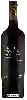
Winery LatenteSelected Vineyards Tempranillo
 Red wine


This wine generally goes well with pork, beef or game (deer, venison).
Food and wine pairings with Selected Vineyards Tempranillo
Pairings that work perfectly with Selected Vineyards Tempranillo



Original food and wine pairings with Selected Vineyards Tempranillo


The Selected Vineyards Tempranillo of Winery Latente matches generally quite well with dishes of beef, lamb or pork such as recipes of adapted vietnamese fondue, pumpkin parmentier hash or breton galette with buckwheat flour.
Details and technical informations about Winery Latente's Selected Vineyards Tempranillo.
Discover the grape variety: Tempranillo
The black Tempranillo is a grape variety native to Spain. It produces a variety of grape specially used for the elaboration of wine. It is rare to find this grape to eat on our tables. This variety of grape is characterized by medium-sized bunches and medium-sized grapes. The black Tempranillo can be found in several vineyards: South-West, Languedoc & Roussillon, Cognac, Bordeaux, Rhone valley, Provence & Corsica, Loire valley, Savoie & Bugey, Beaujolais.
Last vintages of this wine
The best vintages of Selected Vineyards Tempranillo from Winery Latente are 0
Informations about the Winery Latente
The Winery Latente is one of of the world's great estates. It offers 17 wines for sale in the of Mendoza to come and discover on site or to buy online.

The wine region of Mendoza
Mendoza is by far the largest wine region in Argentina. Located on a high-altitude plateau at the edge of the Andes Mountains, the province is responsible for roughly 70 percent of the country's annual wine production. The French Grape variety Malbec has its New World home in the vineyards of Mendoza, producing red wines of great concentration and intensity. The province Lies on the western edge of Argentina, across the Andes Mountains from Chile.
The word of the wine: Muscat blanc à petits grains
A white grape variety cultivated since antiquity on the shores of the Mediterranean, it is considered the noblest of the muscats. It is mainly used to make sweet wines, often from mutage. In France, it is the sole variety used in many natural sweet wines: muscat-de-frontignan, muscat-de-mireval, muscat-de-lunel, muscat-de-saint-jean-de-minervois, muscat-de-beaumes-de-venise, muscat-du-cap-corse. Combined with Muscat d'Alexandrie, it gives Muscat-de-Rivesaltes. It is also used to make sparkling white wines (clairette-de-die; moscato d'asti and asti spumante in Italy) and dry wines (alsace-muscat). Powerfully aromatic and complex, its wines evoke fresh grapes, roses, exotic fruits, citrus fruits and spices.