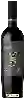
Winery Las VertientesReserva Bonarda
 Red wine


In the mouth this red wine is a with a nice freshness.
This wine generally goes well with pork, poultry or veal.
Taste structure of the Reserva Bonarda from the Winery Las Vertientes
Light | Bold | |
Smooth | Tannic | |
Dry | Sweet | |
Soft | Acidic |
In the mouth the Reserva Bonarda of Winery Las Vertientes in the region of Mendoza is a with a nice freshness.
Food and wine pairings with Reserva Bonarda
Pairings that work perfectly with Reserva Bonarda



Original food and wine pairings with Reserva Bonarda

The Reserva Bonarda of Winery Las Vertientes matches generally quite well with dishes of veal, pork or game (deer, venison) such as recipes of italian veal roulade, english breakfast or duck sleeves in cider.
Details and technical informations about Winery Las Vertientes's Reserva Bonarda.
Discover the grape variety: Romorantin
Romorantin is a white grape variety named after the town in the Loir-et-Cher region where it originated. It was François 1er who planted the first Romorantin vines here in 1519, and it has gradually been replaced by Sauvignon, considered more aromatic, and is only planted in the Loir-et-Cher region, where it is the source of the Cour-Cheverny AOC. Its bunches of small white berries, which turn pink when ripe, are resistant to grey rot. Cour-Cheverny wines are fruity white wines with aromas of white flowers, citrus fruit and honey. Their lively, full-bodied character means they can be enjoyed after a few years' storage.
Last vintages of this wine
The best vintages of Reserva Bonarda from Winery Las Vertientes are 2009, 0
Informations about the Winery Las Vertientes
The Winery Las Vertientes is one of of the world's greatest estates. It offers 9 wines for sale in the of Mendoza to come and discover on site or to buy online.

The wine region of Mendoza
Mendoza is by far the largest wine region in Argentina. Located on a high-altitude plateau at the edge of the Andes Mountains, the province is responsible for roughly 70 percent of the country's annual wine production. The French Grape variety Malbec has its New World home in the vineyards of Mendoza, producing red wines of great concentration and intensity. The province Lies on the western edge of Argentina, across the Andes Mountains from Chile.
The word of the wine: Bergeron
See roussanne.