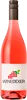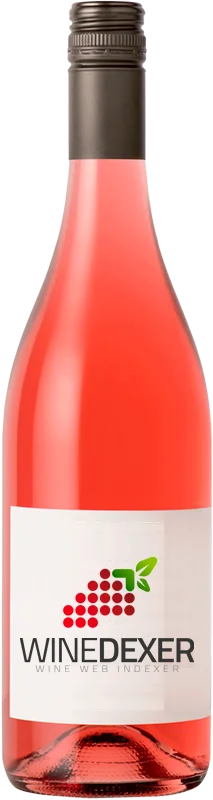
Winery La Villa AngeliRosé
 Pink wine
This wine generally goes well with beef and mature and hard cheese.

Food and wine pairings with Rosé
Pairings that work perfectly with Rosé


Original food and wine pairings with Rosé
The Rosé of Winery La Villa Angeli matches generally quite well with dishes of beef or mature and hard cheese such as recipes of provencal stew or cannelloni with zucchini.
Details and technical informations about Winery La Villa Angeli's Rosé.
Discover the grape variety: Amaral
Light, acidic reds best drunk young, with a sustained ruby robe, silky tannins and a lively palate showing fresh red fruits (cherry, raspberry), inky notes and a herbaceous hint. Crisp and refreshing. Often blended with Vinhão and Espadeiro, contributing to the bright profile of Vinho Verde tinto DOC. Native Portuguese black grape grown mainly in the Vinho Verde region of north-west Portugal.
Informations about the Winery La Villa Angeli
The Winery La Villa Angeli is one of of the world's greatest estates. It offers 12 wines for sale in the of Corsica to come and discover on site or to buy online.

The wine region of Corsica
Mediterranean island wine region with a triple native face, ~8,000 ha. Niellucciu signature (cousin of Sangiovese) dominates Patrimonio: structured reds with signature notes of black cherry, garrigue, maquis, spices and leather, firm tannins and sun-drenched mouth. Sciaccarellu (min. 60% in Ajaccio) lighter and peppery (strawberry, wild herbs).
The word of the wine: Rehoboam
Bottle with a capacity of 4.5 l.