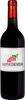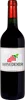
Winery LaporteGrenache Noir Vieilles Vignes
 Red wine
This wine generally goes well with beef, veal or pasta.

Food and wine pairings with Grenache Noir Vieilles Vignes
Pairings that work perfectly with Grenache Noir Vieilles Vignes



Original food and wine pairings with Grenache Noir Vieilles Vignes
The Grenache Noir Vieilles Vignes of Winery Laporte matches generally quite well with dishes of beef, pasta or lamb such as recipes of flemish beer stew, tagliatelle with carbonara or sausage and vegetable risotto with cookéo.
Details and technical informations about Winery Laporte's Grenache Noir Vieilles Vignes.
Discover the grape variety: Onchette
Simple, fresh dry whites with a pale golden robe, a supple palate and preserved acidity. Understated aromas of citrus, white flowers and herbaceous notes from the South-West. Rustic, airy profile, best drunk young. Preserved in INRAE variety collections, it bears witness to the pre-phylloxera ampelographic diversity of the South-West and is studied as a heritage grape. Rare French white grape, once cultivated in the South-West, now nearly extinct.
Informations about the Winery Laporte
The Winery Laporte is one of of the world's greatest estates. It offers 8 wines for sale in the of Côtes du Roussillon to come and discover on site or to buy online.

The wine region of Côtes du Roussillon
Catalan sun and Mediterranean character on the edge of the Pyrenees. Fleshy, sun-soaked reds with signature notes of candied black fruit (blackberry, plum), garrigue, pepper, liquorice and dark chocolate, firm tannins and generous warmth. Blends of Grenache (roundness), Syrah (spice), old-vine Carignan (power) and dense Mourvèdre. Also sunny rosés and ample whites (Grenache Blanc, Macabeu).
The wine region of Languedoc-Roussillon
Largest single French vineyard, dominated by sunny, generous reds. Spicy Syrah, candied Grenache (ripe fruit, garrigue), structured Carignan, deep Mourvèdre, supple Cinsault. Stars: structured Corbières, Minervois, Faugères, Saint-Chinian; round Côtes-du-Roussillon. Legendary vins doux naturels: Banyuls and Maury (fortified Grenache) with notes of cocoa, fig, prune.
The word of the wine: Malolactic fermentation
Called second fermentation or malo for short. It is the degradation (under the effect of bacteria) of the malic acid naturally present in the wine into milder, less aggressive lactic acid. Some producers or wineries refuse this operation by "blocking the malo" (by cold and adding SO2) to keep a maximum of acidity which carries the aromas and accentuates the sensation of freshness.