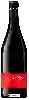
Winery La MuntanyaMoristel
 Red wine
In the mouth this red wine is a powerful.
This wine generally goes well with poultry, beef or veal.

Taste structure of the Moristel from the Winery La Muntanya
Light | Bold | |
Smooth | Tannic | |
Dry | Sweet | |
Soft | Acidic |
In the mouth the Moristel of Winery La Muntanya in the region of Murcie is a powerful.
Food and wine pairings with Moristel
Pairings that work perfectly with Moristel



Original food and wine pairings with Moristel

The Moristel of Winery La Muntanya matches generally quite well with dishes of beef, pasta or veal such as recipes of beef stew express, pasta carbonara almost like the real thing or piccata with cheese.
Details and technical informations about Winery La Muntanya's Moristel.
Discover the grape variety: Négrette
Supple, perfumed reds with a deep ruby robe, smooth tannins and a round palate, with intense, characteristic aromas of violet, red fruit (raspberry, blackcurrant), liquorice, soft spice and peppery notes. Gourmand finish; best young or short ageing. The near-exclusive star of Fronton AOC north of Toulouse (minimum 50% in blends), also made as expressive rosés. Autochthonous South-West French variety, possibly brought from Cyprus by the Knights Hospitaller.
Informations about the Winery La Muntanya
The Winery La Muntanya is one of of the world's great estates. It offers 19 wines for sale in the of Alicante to come and discover on site or to buy online.

The wine region of Alicante
DOP of the southeast of Valencia, land of Monastrell (Mourvedre) under Mediterranean sun. Dense, sun-soaked reds with signature notes of blackberry, candied plum, garrigue, leather, cocoa and sweet spices, firm tannins and a warm palate. A mythical jewel: Fondillon, a naturally sweet wine from Monastrell raisined on the vine, solera-aged >=8 years, 16-18% alcohol, only ~10 cellars (Vinalopo). Also Muscat of Alexandria as a floral sweet wine (orange blossom, honey).
The wine region of Murcie
Wine region of southeastern Spain on sunny high plateaus, 3 DOs fanning out: Jumilla, Yecla, Bullas. Monastrell (Mourvedre) reigns in red (~80% of the vineyard): dense and sunny with signature notes of black mulberry, candied black cherry, garrigue, leather, liquorice and a sweet spice touch, firm tannins and a warm palate — pomegranate robe, sustained alcohol, often own-rooted. Round Grenache, supple Tempranillo, peppery Syrah. Southern wines with outstanding value.
The word of the wine: Acidic (flavor)
Acidity is present in all wines, and is essential in white wines. It is due to the presence of different organic acids in the wine, and is expressed in the mouth by a sensation of freshness combined with other elements, such as minerality or a note of bitterness. Moderately present, it brings relief and vivacity to the wine.