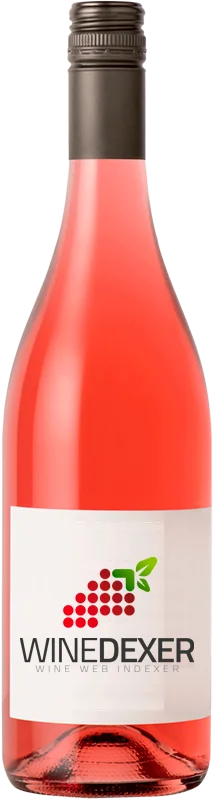
La Cave de GruissanTentation Corbières Rosé
 Pink wine
This wine generally goes well with vegetarian, appetizers and snacks or lean fish.

Food and wine pairings with Tentation Corbières Rosé
Pairings that work perfectly with Tentation Corbières Rosé



Original food and wine pairings with Tentation Corbières Rosé


The Tentation Corbières Rosé of La Cave de Gruissan matches generally quite well with dishes of pasta, vegetarian or appetizers and snacks such as recipes of seafood lasagna, quiche with leeks and fresh salmon from flo or cream of asparagus soup in verrines.
Details and technical informations about La Cave de Gruissan's Tentation Corbières Rosé.
Discover the grape variety: Noir Fleurien
Light, fruity reds with a clear ruby robe, silky tannins and a supple palate, with unassuming aromas of red fruits (cherry, raspberry) and fresh floral notes. Airy profile to drink young. Preserved in INRAE varietal collections, it reflects the pre-phylloxera ampelographic diversity of central France and is among the heritage varieties under study. Rare, near-extinct native French black grape, once grown in central France.
Informations about the La Cave de Gruissan
The La Cave de Gruissan is one of of the world's great estates. It offers 59 wines for sale in the of Corbières to come and discover on site or to buy online.

The wine region of Corbières
Largest AOC in Languedoc, 95% Mediterranean reds. Signature old-vine Carignan (up to 60%): fleshy reds with black fruit, garrigue, black olive, spice and tight tannins. Blended with round, sunny Grenache, peppery Syrah, dense Mourvèdre and supple Cinsault. A few fresh rosés and whites (Grenache Blanc, Roussanne).
The wine region of Languedoc-Roussillon
Largest single French vineyard, dominated by sunny, generous reds. Spicy Syrah, candied Grenache (ripe fruit, garrigue), structured Carignan, deep Mourvèdre, supple Cinsault. Stars: structured Corbières, Minervois, Faugères, Saint-Chinian; round Côtes-du-Roussillon. Legendary vins doux naturels: Banyuls and Maury (fortified Grenache) with notes of cocoa, fig, prune.
The word of the wine: Nervous
Said of a wine that leaves its mark on the palate with its strong characters and a hint of acidity, but without excess.