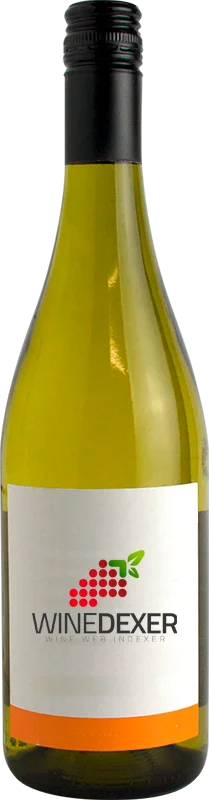
Winery Kősziklás BorászatOlaszrizling
 White wine


This wine generally goes well with vegetarian, poultry or mature and hard cheese.
The Olaszrizling of the Winery Kősziklás Borászat is in the top 40 of wines of Neszmély.
Food and wine pairings with Olaszrizling
Pairings that work perfectly with Olaszrizling



Original food and wine pairings with Olaszrizling
The Olaszrizling of Winery Kősziklás Borászat matches generally quite well with dishes of mature and hard cheese, vegetarian or poultry such as recipes of shepherd's pie (potatoes, beef, carrots, bacon), quiche with leeks and fresh salmon from flo or quick cider chicken.
Details and technical informations about Winery Kősziklás Borászat's Olaszrizling.
Discover the grape variety: Khendorni
Most certainly of Armenian origin. It should be noted, however, that in Azerbaijan a grape variety called Khindogny is cultivated, with a synonym, Khendorni, which resembles it like two drops of water. In France, Khendorni is virtually unknown.
Last vintages of this wine
The best vintages of Olaszrizling from Winery Kősziklás Borászat are 0
Informations about the Winery Kősziklás Borászat
The Winery Kősziklás Borászat is one of of the world's great estates. It offers 25 wines for sale in the of Neszmély to come and discover on site or to buy online.

The wine region of Neszmély
The wine region of Neszmély is located in the region of Észak-Dunántúl of Hungary. Wineries and vineyards like the Domaine Hilltop or the Domaine Hilltop produce mainly wines white, pink and red. The most planted grape varieties in the region of Neszmély are Chardonnay, Pinot noir and Harslevelu, they are then used in wines in blends or as a single variety. On the nose of Neszmély often reveals types of flavors of vegetal, tree fruit or citrus fruit and sometimes also flavors of floral, red fruit or earth.
The wine region of Észak-Dunántúl
Hungary, in Central Europe, has gained its reputation in the wine world through just a couple of wine styles, but for centuries it has been a wine-producing nation of considerable diversity. In addition to the Sweet wines of Tokaj and the Deep Bull's Blood of Eger, the Hungarian wine portfolio includes Dry whites from the shores of Lake Balaton, Somló and Neszmély, and finer reds from various regions, notably Villány, Sopron and Szekszard. Hungarian wine culture stretches back to Roman times and has survived numerous political, religious and economic challenges, including Islamic rule during the 16th Century (when Alcohol was prohibited) and the Phylloxera epidemic of the late 1800s. The modern Hungarian wine regions are distributed around the country.
The word of the wine: Performance
Quantity of grapes harvested per hectare. In AOC, the average yield is limited on the proposal of the appellation syndicate, validated by the Inao. The use of high-performance plant material (especially clones) and better control of vine diseases have increased yields. This is not without consequences on the quality of the wines (dilution) and on the state of the market (too much wine). We must not over-simplify: low yields are not synonymous with quality, and it is often in years with generous harvests that we find the greatest vintages (1982 and 1986 in Bordeaux, 1996 in Champagne, 1990 and 2005 in Burgundy...).