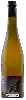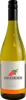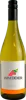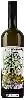
Winery Klaus ZimmerlingPillnitzer Königlicher Weinberg Grauer Burgunder
 White wine



In the mouth this white wine is a powerful.
This wine generally goes well with pork, cured meat or mushrooms.
Taste structure of the Pillnitzer Königlicher Weinberg Grauer Burgunder from the Winery Klaus Zimmerling
Light | Bold | |
Dry | Sweet | |
Soft | Acidic |
In the mouth the Pillnitzer Königlicher Weinberg Grauer Burgunder of Winery Klaus Zimmerling in the region of Sachsen is a powerful.
Food and wine pairings with Pillnitzer Königlicher Weinberg Grauer Burgunder
Pairings that work perfectly with Pillnitzer Königlicher Weinberg Grauer Burgunder



Original food and wine pairings with Pillnitzer Königlicher Weinberg Grauer Burgunder

The Pillnitzer Königlicher Weinberg Grauer Burgunder of Winery Klaus Zimmerling matches generally quite well with dishes of pork, spicy food or mushrooms such as recipes of roast pork orloff, chicken tagine with lemon confit (marrakech style) or pork roll with tomato sauce.
Details and technical informations about Winery Klaus Zimmerling's Pillnitzer Königlicher Weinberg Grauer Burgunder.
Discover the grape variety: Raboso Piave
A very old variety known and cultivated more precisely in the north-east of Italy in the Veneto region (provinces of Treviso, Padua, Venice, etc.), not to be confused with Raboso Veronese, which is the result of an intraspecific cross between Raboso Piave and Marzemina Bianca. Raboso Piave is practically unknown in other wine-producing countries.
Last vintages of this wine
The best vintages of Pillnitzer Königlicher Weinberg Grauer Burgunder from Winery Klaus Zimmerling are 2016, 0
Informations about the Winery Klaus Zimmerling
The Winery Klaus Zimmerling is one of of the world's greatest estates. It offers 25 wines for sale in the of Sachsen to come and discover on site or to buy online.

The wine region of Sachsen
Sachsen (Saxony) in eastern Germany is one of the world's Northernmost wine regions, located at a latitude of 51 degrees north. The roughly 493 hectares (1,218ac) of vines in the region are planted aLong a 25 mile (40km) stretch of the Elbe river valley, from Pillnitz near the city of Dresden, in a north-easterly direction to Diesbar-Seusslitz, just downstream of the city of Meissen. Despite its northerly location, Sachsen has a long history of viticulture, with the earliest documents of wine-growing around Meissen dating to 1161. Since Germany's reunification in 1990, great enthusiasm has gone into building and developing the Sachsen wine industry; there are many part-time growers and an enthusiastic local market.
The word of the wine: Village
Term used in certain regions to identify a particular sector within a larger appellation (Beaujolais, Côtes-du-Rhône).