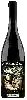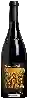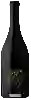
Winery Ken Wright CellarsLate Harvest Red
 Sweet wine


This wine is a blend of 2 varietals which are the Cabernet-Sauvignon and the Merlot.
This wine generally goes well with poultry, beef or game (deer, venison).

Wine flavors and olphactive analysis

On the nose the Late Harvest Red of Winery Ken Wright Cellars in the region of Oregon often reveals types of flavors of oak.
Food and wine pairings with Late Harvest Red
Pairings that work perfectly with Late Harvest Red



Original food and wine pairings with Late Harvest Red


The Late Harvest Red of Winery Ken Wright Cellars matches generally quite well with dishes of beef, lamb or game (deer, venison) such as recipes of beef with cider, lamb chops with honey and spices or rabbit with mustard in a casserole.
Details and technical informations about Winery Ken Wright Cellars's Late Harvest Red.
Discover the grape variety: Cabernet-Sauvignon
Structured, tannic reds, deeply coloured, with aromas of blackcurrant, blackberry, cedar, tobacco and graphite, underpinned by firm acidity and fine ageing potential. Cornerstone of the great Médoc estates (Pauillac, Saint-Estèphe, Saint-Julien) and signature of Napa Valley, Coonawarra and Maipo. The world's most planted red variety, a natural cross of Cabernet Franc x Sauvignon Blanc born in Bordeaux.
Last vintages of this wine
The best vintages of Late Harvest Red from Winery Ken Wright Cellars are 0
Informations about the Winery Ken Wright Cellars
The Winery Ken Wright Cellars is one of of the world's great estates. It offers 29 wines for sale in the of Oregon to come and discover on site or to buy online.

The wine region of Oregon
American benchmark for fresh, elegant Pinot Noir. Fine, silky reds with signature notes of red cherry, raspberry, wild strawberry, undergrowth and spice, delicate tannins and taut freshness — the closest style to Burgundy outside France. Iconic Willamette Valley on volcanic (Jory) and marine soils. Also precise, mineral Chardonnay, ample Pinot Gris (pear, honey), taut Riesling.
The word of the wine: Chaptalization
The addition of sugar at the time of fermentation of the must, an ancient practice, but theorized by Jean-Antoine Chaptal at the dawn of the 19th century. The sugar is transformed into alcohol and allows the natural degree of the wine to be raised in a weak or cold year, or - more questionably - when the winegrower has a harvest that is too large to obtain good maturity.