The Winery Kawakawa of Nelson of South Island
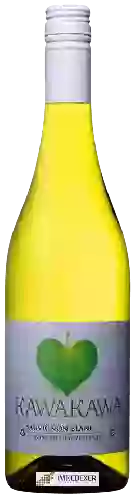
The Winery Kawakawa is one of the best wineries to follow in Nelson.. It offers 2 wines for sale in of Nelson to come and discover on site or to buy online.
Looking for the best Winery Kawakawa wines in Nelson among all the wines in the region? Check out our tops of the best red, white or effervescent Winery Kawakawa wines. Also find some food and wine pairings that may be suitable with the wines from this area. Learn more about the region and the Winery Kawakawa wines with technical and enological descriptions.
How Winery Kawakawa wines pair with each other generally quite well with dishes of shellfish, vegetarian or goat cheese such as recipes of mussels with cream, ham and comté quiche or goat cheese and mint pie.
In the mouth the white wine of Winery Kawakawa. is a with a nice freshness.
The wine region of Nelson is located in the region of South Island of New Zealand. Wineries and vineyards like the Domaine Latitude 41 or the Domaine Seifried Estate produce mainly wines white, red and pink. The most planted grape varieties in the region of Nelson are Pinot noir, Chardonnay and Pinot gris, they are then used in wines in blends or as a single variety. On the nose of Nelson often reveals types of flavors of dark fruit, clove or baking spice and sometimes also flavors of bramble, kiwi or savory.
In the mouth of Nelson is a with a nice freshness. We currently count 94 estates and châteaux in the of Nelson, producing 406 different wines in conventional, organic and biodynamic agriculture. The wines of Nelson go well with generally quite well with dishes of shellfish, vegetarian or goat cheese.
Planning a wine route in the of Nelson? Here are the wineries to visit and the winemakers to meet during your trip in search of wines similar to Winery Kawakawa.
An autochthonous Italian grape variety that was cultivated for a very long time, particularly in the Venice region, where it almost disappeared. It seems to be known only in this region and therefore completely unknown in all other wine-producing countries. According to recently published A.D.N. analyses, it is the result of a natural intraspecific cross between Garganega and Tuscan malvasia or malvasia del chianti, which explains why it has long been confused with its mother, Garganega.


